Christmas Tree with Bullfinches and Holly Machine Embroidery Design – 2 Sizes
By knowing the speed of your embroidery machine, you can find out how long it will take to embroider a design.
To use the embroidery calculator, click on the number of stitches in the product description.
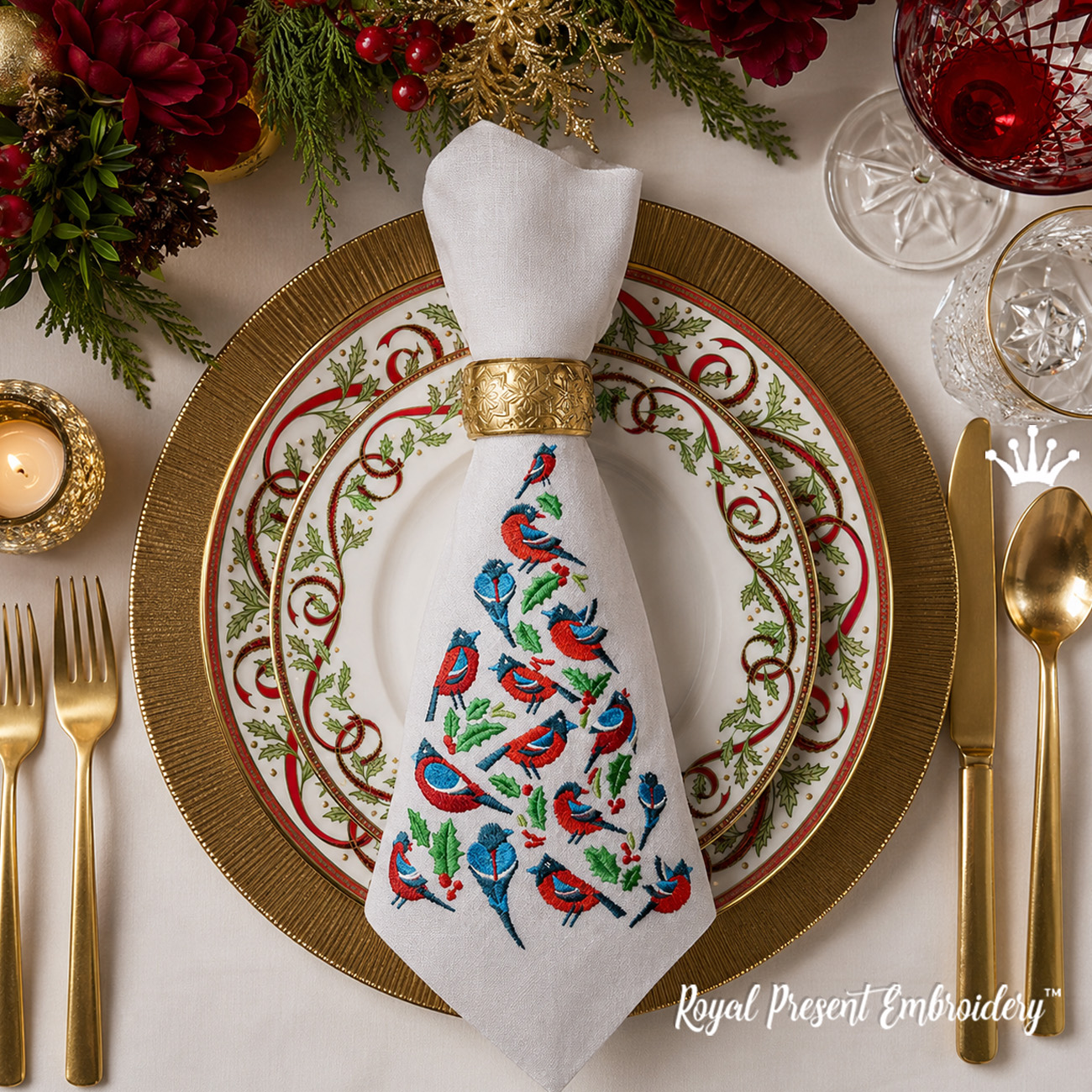
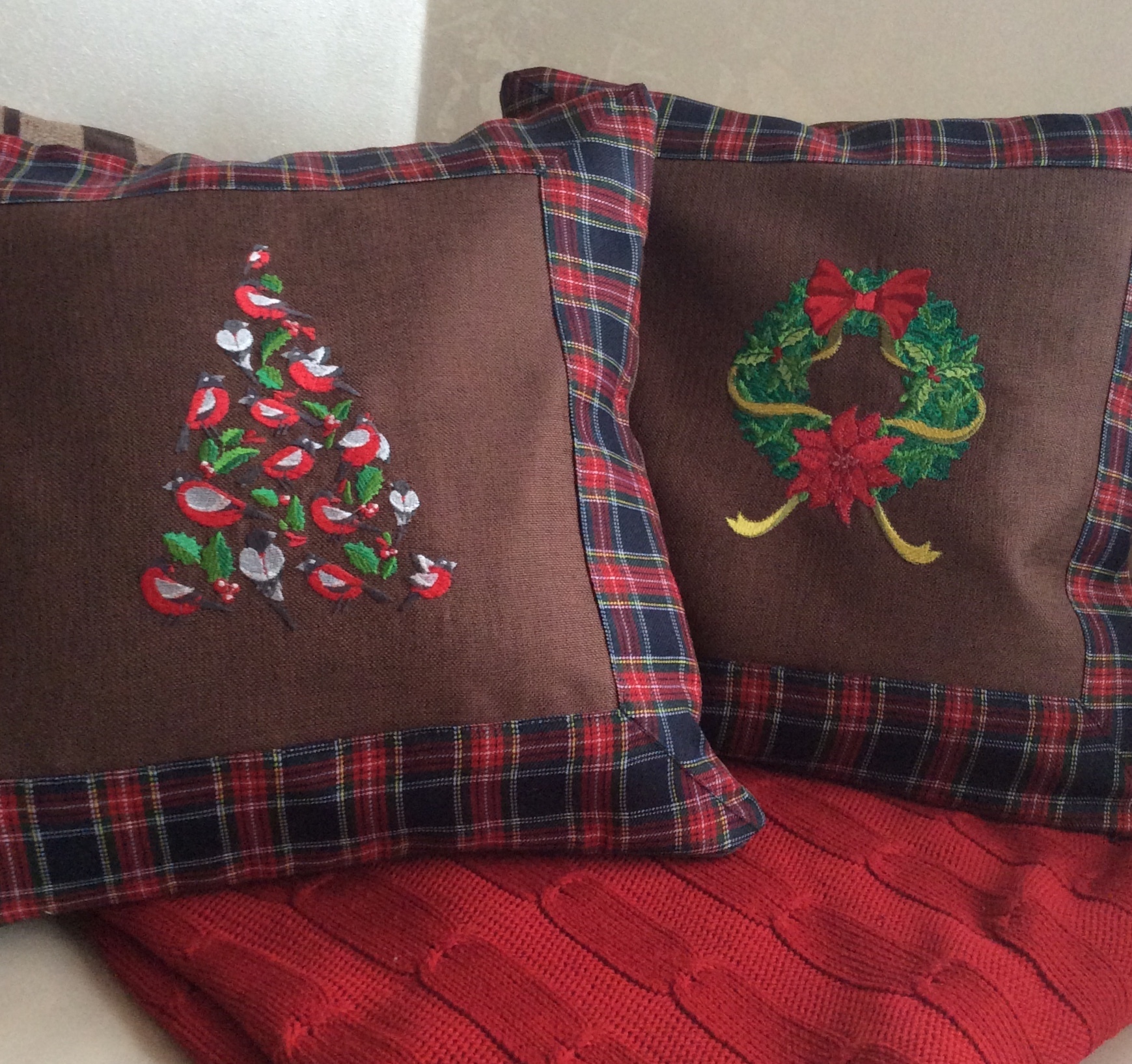
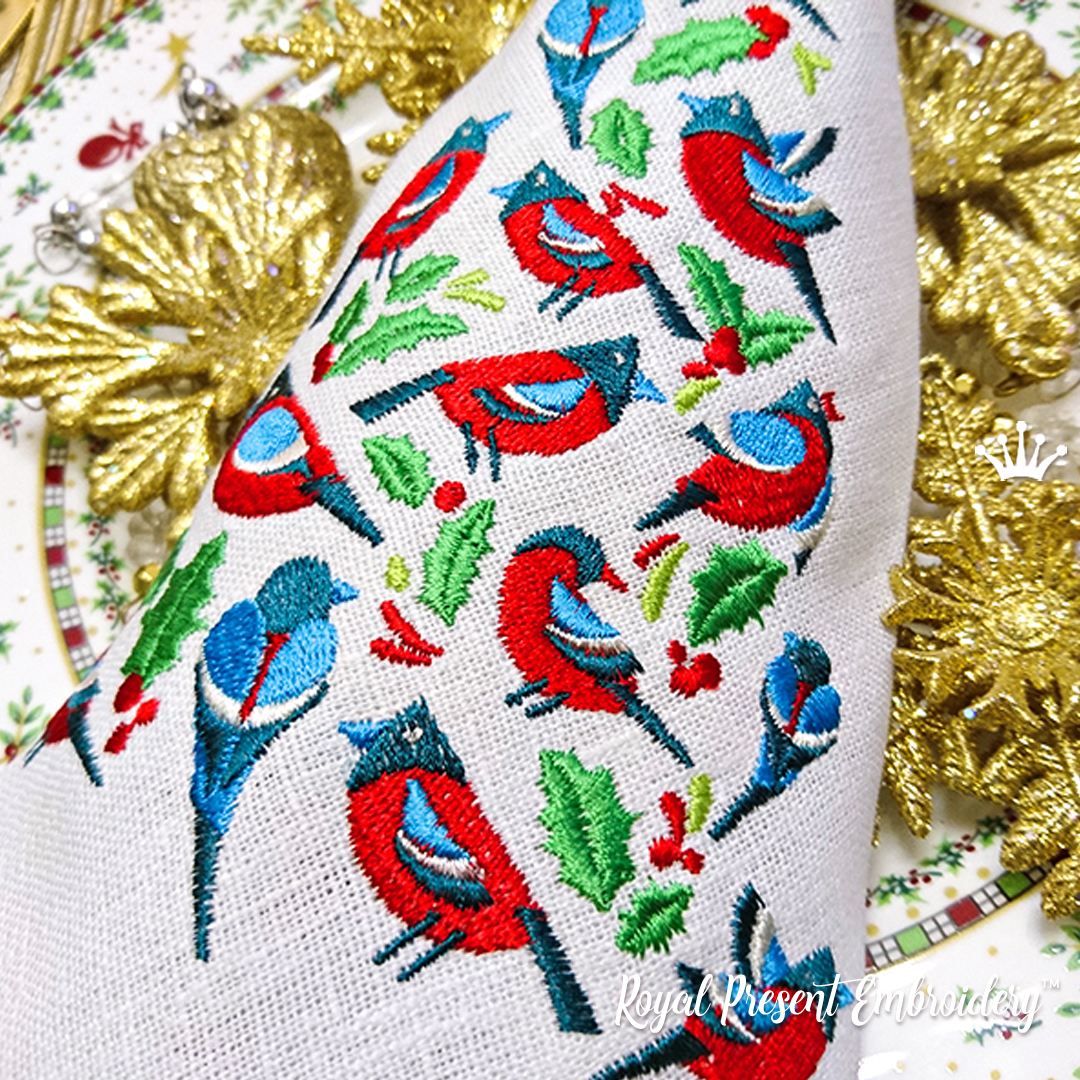
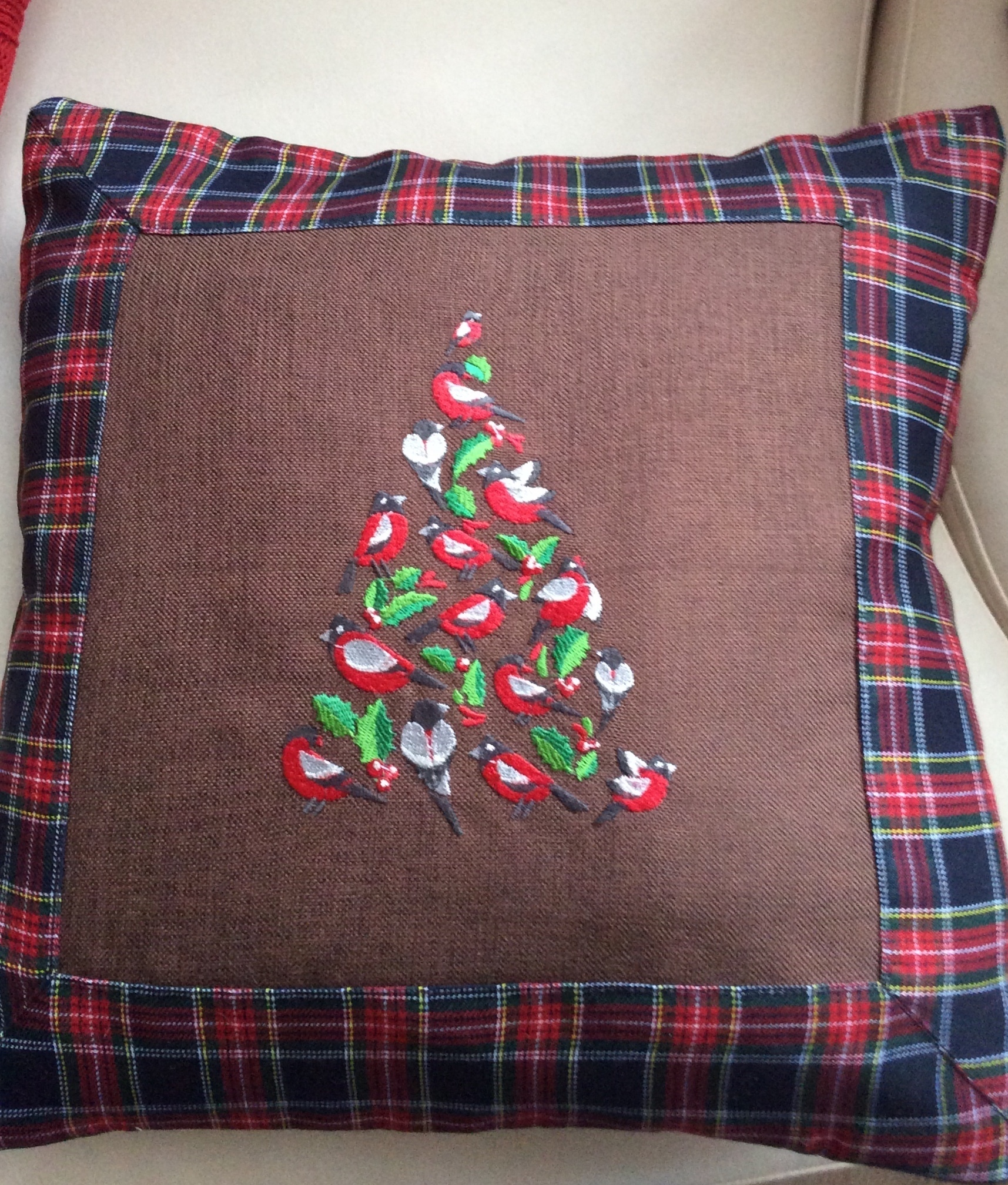
Christmas Tree with Bullfinches and Holly is a vertical composition in which winter birds, pointed green leaves and berry accents create a clear triangular silhouette. Open fabric remains visible between the separate motifs, giving the embroidery a lighter appearance than a solid stitched tree and keeping the shape distinct on pale linen as well as darker decorative cloth.
The arrangement is intended for holiday napkins, central pillow panels, textile wall art, table runners, large fabric gift bags and the front sections of seasonal covers. Every bird and botanical element is formed with thread: this is standard multicolor machine embroidery, not appliqué and not an in-the-hoop project.
The purchase is a ZIP archive of digital embroidery files. Fabric, thread, napkins, pillow covers and other physical items are not included.
Size: 128.0x179.2 mm (5.04x7.06 "), Stitches: 21474
Size: 142.3x199.0 mm (5.60x7.83 "), Stitches: 24486
Formats: .dst, .pec, .jef, .hus, .vip, .pes, .exp, .sew, vp3, .dat, xxx
Hoops for the Two Included Versions
| Design size | Suitable standard hoops | Brother | Janome | BERNINA |
|---|---|---|---|---|
| 128.0 × 179.2 mm 5.04 × 7.06 in |
130 × 180 mm (5 × 7 in class), 140 × 200 mm (5.5 × 8 in) or 145 × 255 mm (5.7 × 10 in) | Innov-is F540E — 130 × 180 mm (5 × 7 in class) | Memory Craft 550E — RE20b, 140 × 200 mm (5.5 × 7.9 in) | B 700 — Large Oval, 145 × 255 mm (5.7 × 10 in) |
| 142.3 × 199.0 mm 5.60 × 7.83 in |
145 × 255 mm (5.7 × 10 in), 160 × 260 mm (6.3 × 10.2 in) or 200 × 200 mm (7.9 × 7.9 in) | Innov-is NV880E — 160 × 260 mm (6.3 × 10.2 in) | Memory Craft 550E — SQ20b, 200 × 200 mm (7.9 × 7.9 in) | B 700 — Large Oval, 145 × 255 mm (5.7 × 10 in) |
The machine itself must support the selected frame; physical attachment alone does not confirm compatibility. Open the file on the machine before hooping and verify that the model accepts both the hoop and the vertical orientation. See the embroidery hoop sizes and stitching fields guide if the nominal hoop name and the usable field are unclear.
Archive Formats and Machine Brands
| Equipment | File to transfer | Check before stitching |
|---|---|---|
| Brother, Baby Lock | PES; PEC for some older machines | match the chosen design file to the largest embroidery field supported by the model |
| Janome, Elna | JEF; SEW for compatible earlier equipment | confirm that the hoop menu offers RE20b, SQ20b or another frame large enough for the selected version |
| BERNINA | EXP | assign thread shades from the published Madeira chart if the display substitutes its own palette |
| Husqvarna Viking, Pfaff | VP3, VIP or HUS | use the newest included format that the specific machine can read |
| Tajima and compatible systems | DST | color stops remain in the file, although Madeira names may not appear on the control panel |
| Singer, Compucon | XXX | verify both format support and maximum design dimensions for the exact machine generation |
Both sizes and all listed machine formats are supplied in one ZIP archive. Extract the purchase before copying anything to a USB drive, then transfer only the file that matches the machine brand and selected hoop. The embroidery machine file formats guide explains the main differences between PES, JEF, EXP, VP3 and DST.
Madeira Classic Rayon 40 Thread Chart
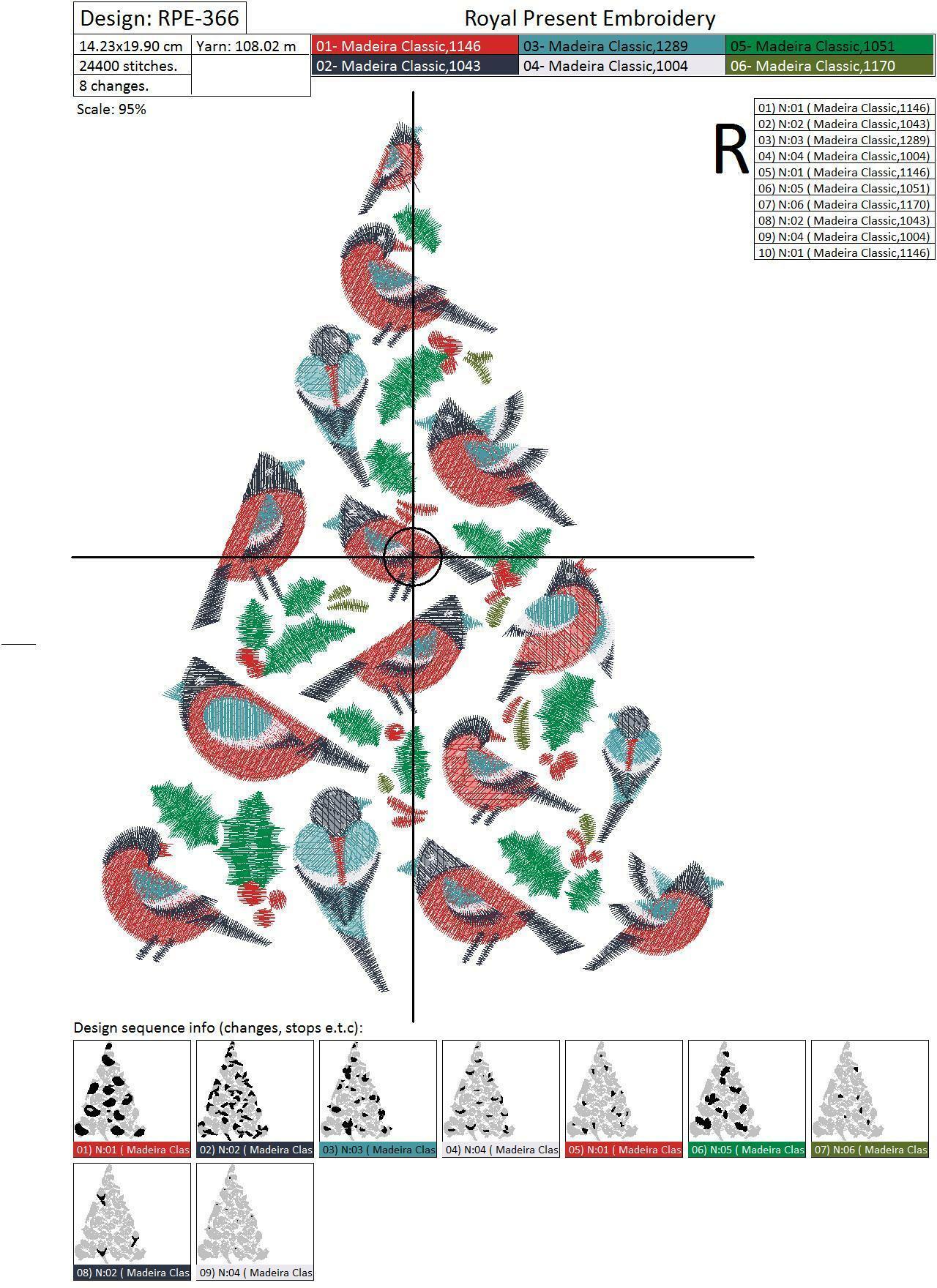
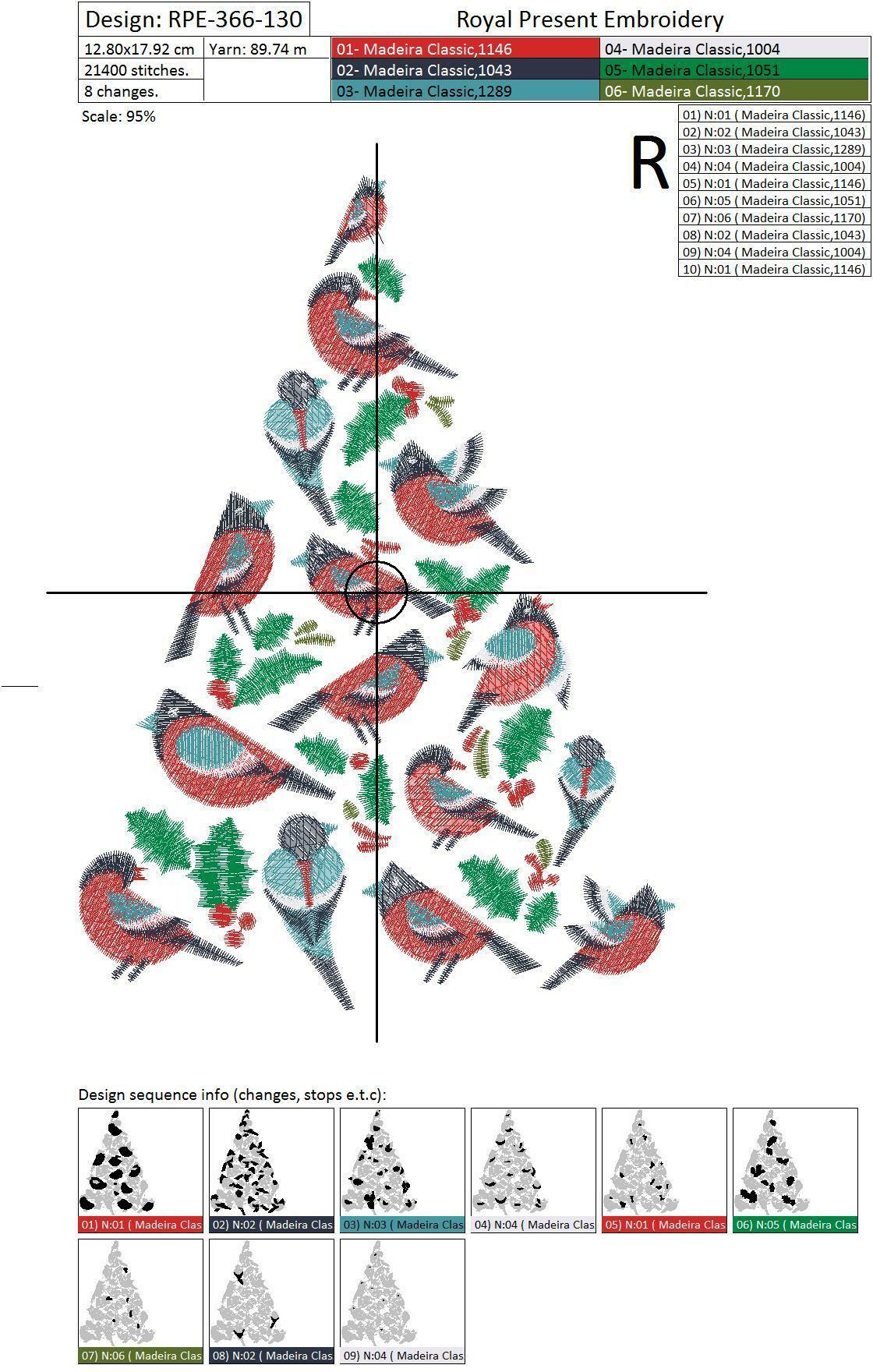
The original chart contains 6 unique shades. Red, navy and natural white return after intermediate layers; each repeated number therefore appears once in the table, with all of its stitched elements grouped in the same row.
| Swatch | Madeira Classic Rayon 40 | Shade name | Elements stitched with this color |
|---|---|---|---|
| 1146 | Tomato Red | the bullfinches’ red breasts; later passes add berries, beaks and small upper accents | |
| 1043 | Navy | heads, backs, dark wing feathers, tails and feet; the later block returns deep details to the foreground | |
| 1289 | Silver Mound | gray-turquoise breast sections, inner wing areas and cool light feathers | |
| 1004 | Natural White | white inserts on wings and breasts; the repeated pass adds small facial and feather highlights | |
| 1051 | Bell Pepper | the main green holly leaves that organize the birds into a Christmas-tree shape | |
| 1170 | Fern | olive stems, small leaves, veins and connecting botanical details |
Thread numbers and English shade names were checked against the official Madeira Classic Rayon color-name list. On-screen swatches are a guide only: rayon sheen, room lighting and monitor calibration alter perceived color.
Why the Same Threads Return Later
Tomato Red 1146 begins with large plumage sections, then returns for small berries, beaks and upper marks. Navy 1043 and Natural White 1004 also reappear after the greenery because those late dark and pale details must sit above the completed birds and leaves.
Do not move repeated blocks next to the first use of the same color. The thread sequence controls layering; combining the stops too early will place individual feathers and small accents underneath elements that should remain behind them.
Estimated Upper-Thread Use
The gallery charts indicate approximately 89.74 m (98.14 yd) for the smaller version and 108.02 m (118.13 yd) for the larger one. Keep extra thread for machine threading, trims and a test sample, and do not begin a long red or navy section with very little thread remaining.
Stabilizing Specific Projects
| Fabric or project | Recommended material | How to use it |
|---|---|---|
| Linen or cotton napkin | Madeira Cotton Soft 50 tear-away, 50 g/m² (1.5 oz/yd²) | hoop one layer with stable fabric; place two layers at right angles beneath loosely woven linen |
| Decorator cotton, canvas or a flat pillow panel | Madeira Cotton Soft 80 tear-away, 80 g/m² (2.4 oz/yd²) | secure fabric and backing in the same hoop, then tear away small sections from the outer edge toward the center |
| Knit pillow cover or stretch fleece | Madeira E-ZEE Green Cut 80 cut-away, 80 g/m² (2.4 oz/yd²) | leave permanent support beneath the entire tree and trim the excess carefully after embroidery |
| Assembled pillow, bag or another awkward blank | Madeira Cotton Fix self-adhesive tear-away, 50 g/m² (1.5 oz/yd²) | attach the item to the exposed adhesive area; add Cotton Soft 50 beneath a soft or loosely woven blank |
| Terry towel or high-pile fleece | Madeira Avalon Film water-soluble topper, 20 μm (0.8 mil) | place it on top so feet, berries and leaf edges do not sink into the texture; choose the lower stabilizer according to fabric stretch |
Open areas separate the motifs in this composition. Insufficient support usually appears as localized puckering around individual birds rather than one continuous wave, so check fabric flatness after each major color stage.
Needle, Thread and Stitching Speed
- Primary combination: Madeira Classic Rayon 40 embroidery thread with a compatible bobbin thread.
- Smooth linen or cotton: a new 75/11 embroidery needle.
- Canvas or heavy decorator cloth: an 80/12 embroidery needle if the test sample shows clean penetration without pulled fibers.
- Stretch fabric: a 75/11 ballpoint embroidery needle with permanent cut-away support.
- Speed: approximately 550–650 stitches per minute; stay near the lower end on loose linen and in sections with frequent travel between birds.
The original palette contains no true black. Navy 1043 creates a softer blue-charcoal contrast; replacing it with solid black will make the heads and tails appear harder and change the character of the winter illustration.
Working Methods for a Tree Built from Separate Motifs
- Mark the vertical axis before hooping. The pointed top is narrow while the lower bird row is broad, so even a slight tilt is easy to see on a napkin, cushion or wall panel.
- For a place-setting napkin, test a paper template first. Fold the napkin as it will be displayed and make sure the ring does not cover the top bird while the lower section stays clear of the plate.
- Do not stretch loose linen in the hoop. Tensioned fabric contracts after release and gathers the open spaces between the birds.
- Watch the travel stitches. If the machine does not trim jumps automatically, remove them after the corresponding color block without taking the fabric out of the hoop.
- Keep 1289 and 1004 visually distinct. On white cloth, choose a slightly creamy or cool Natural White that remains visible beside Silver Mound.
- Assemble a pillow cover after embroidery. Stitch the design on the flat center panel, square the piece on grain, then join it to the border and back.
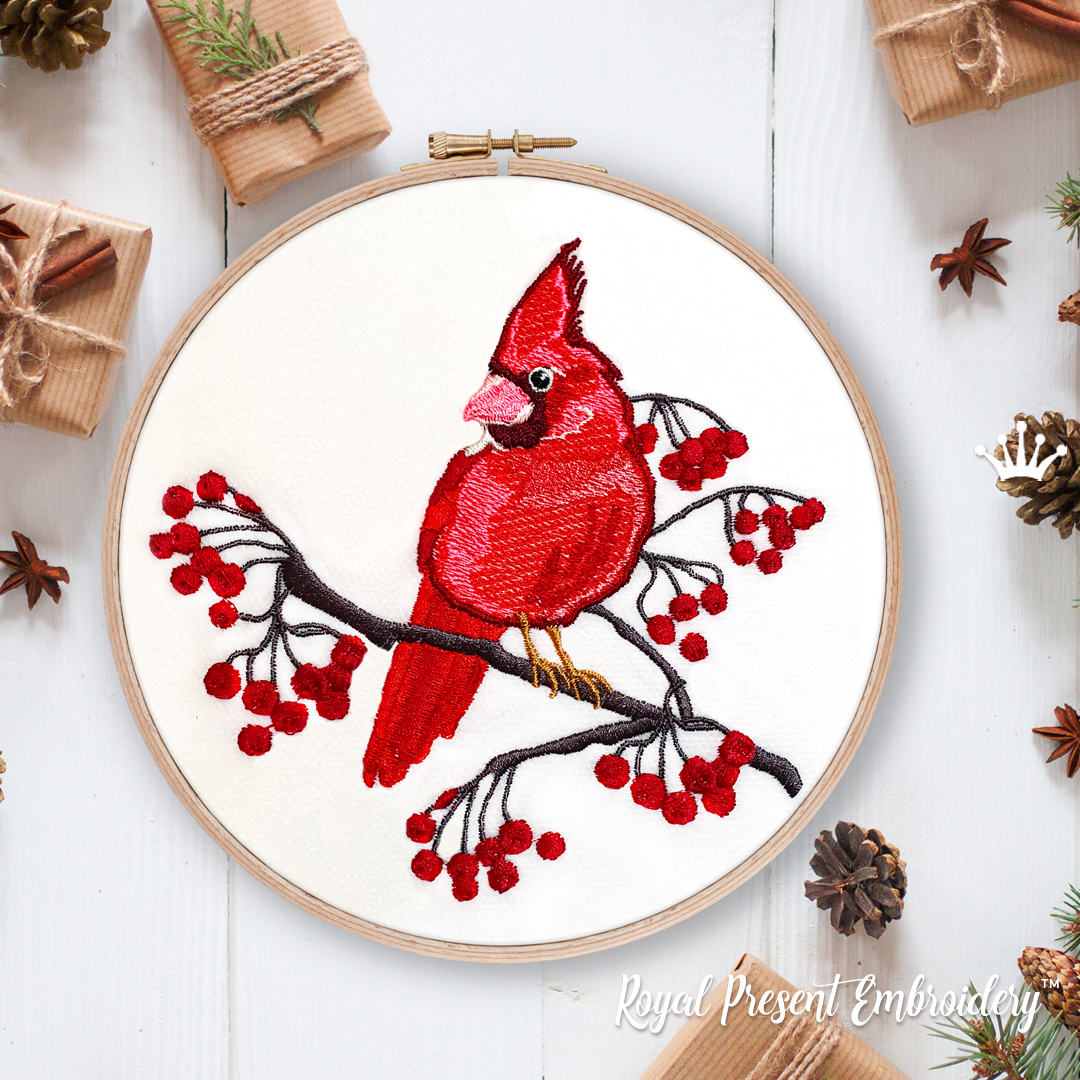
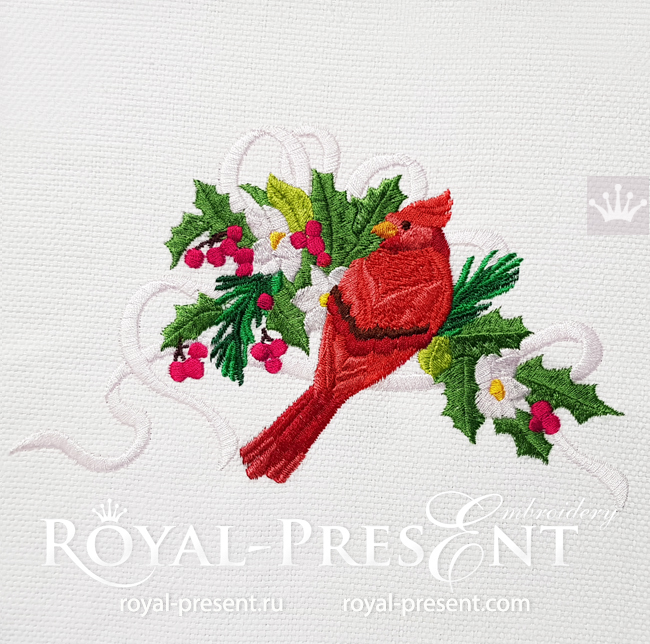
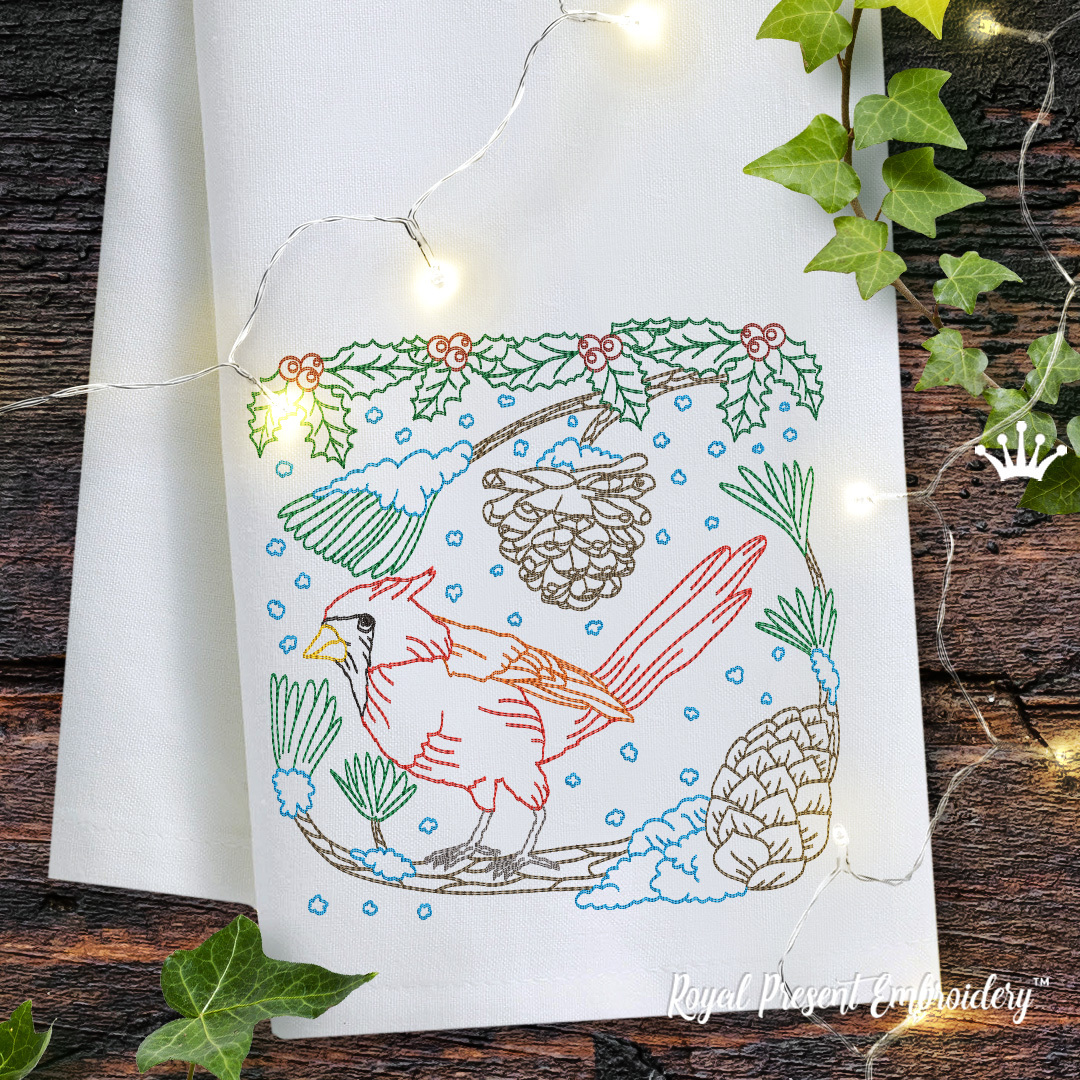
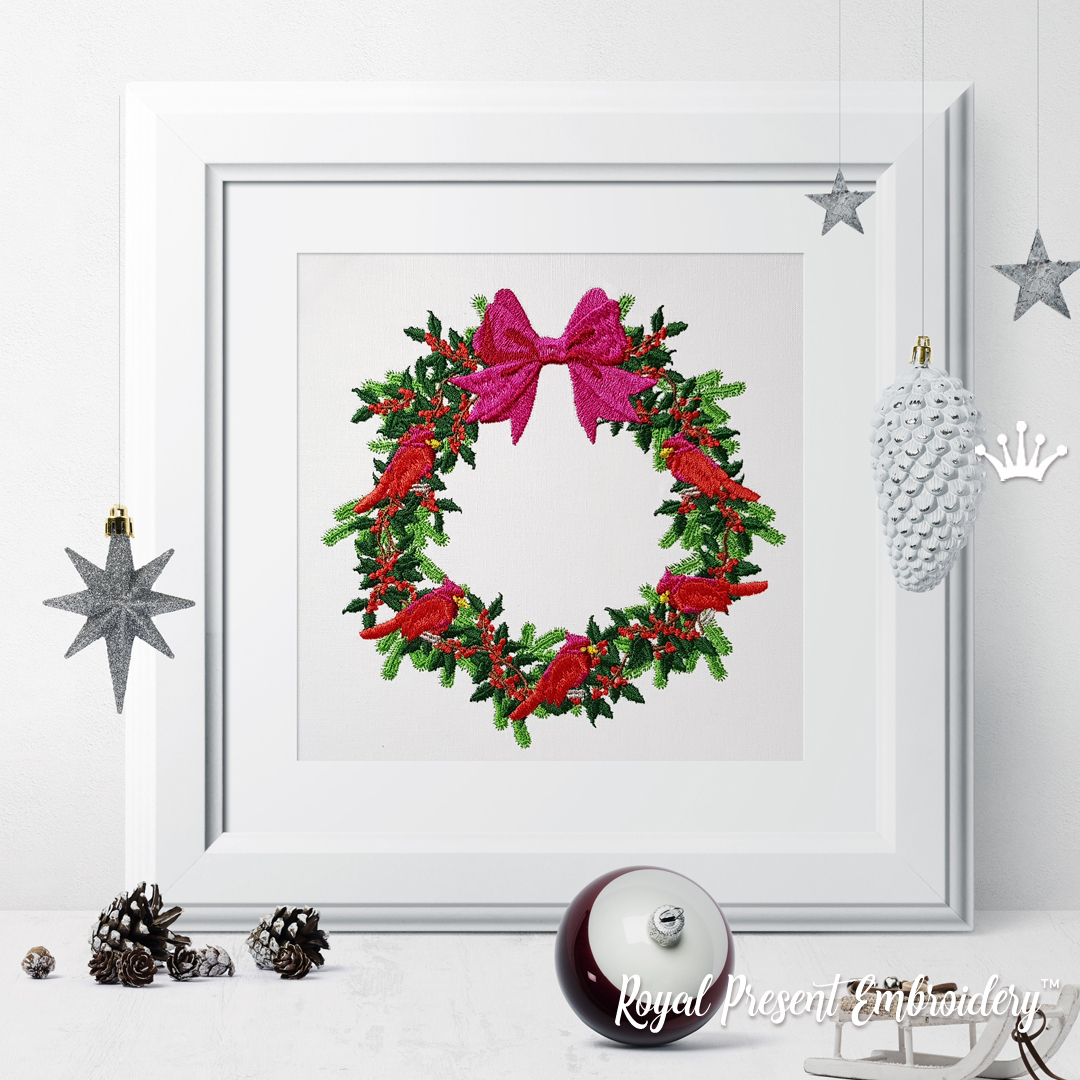
More seasonal designs featuring these birds are collected in Cardinals and Bullfinches Machine Embroidery Designs.
Bullfinches for a Coordinated Winter Collection
Questions About Stitching This Design
Which file should I use with a 130 × 180 mm hoop?
Use the 128.0 × 179.2 mm (5.04 × 7.06 in) file. The 142.3 × 199.0 mm (5.60 × 7.83 in) version exceeds a 130 × 180 mm field and needs one of the larger standard hoops listed in the second table row.
Why do six thread colors produce more than six consecutive sections?
The artwork is constructed in layers. Red, navy, gray-turquoise and white plumage begins first, the holly is added afterward, and selected earlier colors return for details that must remain on top.
Can I skip a repeated stop with the same Madeira number?
No. A repeated stop contains additional stitches, not an empty technical pause. Skipping it or continuing with the wrong thread removes beaks, highlights or upper dark details from some birds.
What if my machine does not display Tomato Red or Navy?
Follow Madeira numbers 1146 and 1043 and preserve the block order shown in the color chart. Some formats and machine displays replace brand names with their own color libraries without changing the stitch data.
Will Natural White plumage show on a pale napkin?
Rayon sheen helps it remain visible on linen, but contrast may be weak on optical white fabric. Test 1004 on a sample and, if necessary, select a close cream shade while keeping it clearly different from Silver Mound 1289.
Can I stitch the composition on a dark pillow cover?
Yes. Tomato Red, both greens and Natural White separate clearly from a dark ground. Test Navy 1043 first because the heads and tails may lose definition on nearly black fabric.
Why does the fabric pucker around individual birds?
Fabric is usually shifting between separated filled areas because it was stretched during hooping, supported by a backing that is too soft, or stitched too quickly. Rehoop a test piece without stretching it, select support from the project table, and reduce the speed. The detailed guide to preventing puckering in machine embroidery explains how hooping and stabilizer choice interact.
Should I trim thread between the bullfinches?
If the machine leaves visible jumps, trim them after the relevant color block finishes. Keep the project in the hoop until the final stitch so that later small details stay aligned.
Digital License
The files may be used for personal projects and small batches of finished, artisan-made embroidered goods. The ZIP archive, individual machine files, copies and digital derivatives may not be sold, shared or redistributed. A standard purchase does not grant permission for mass industrial production.
Design author: Ludmila Konovalova for Royal Present Embroidery.

 Get Sign-In Link
 Login with Google
 Login with Facebook
 Login with Amazon
 Login with Paypal