
Best embroidery machine for home business
So, you’re looking for the best embroidery machine for your home embroidery business. If you’re reading this article, it means that you haven’t set your mind on anything definite yet. It’s...
By knowing the speed of your embroidery machine, you can find out how long it will take to embroider a design.
To use the embroidery calculator, click on the number of stitches in the product description.
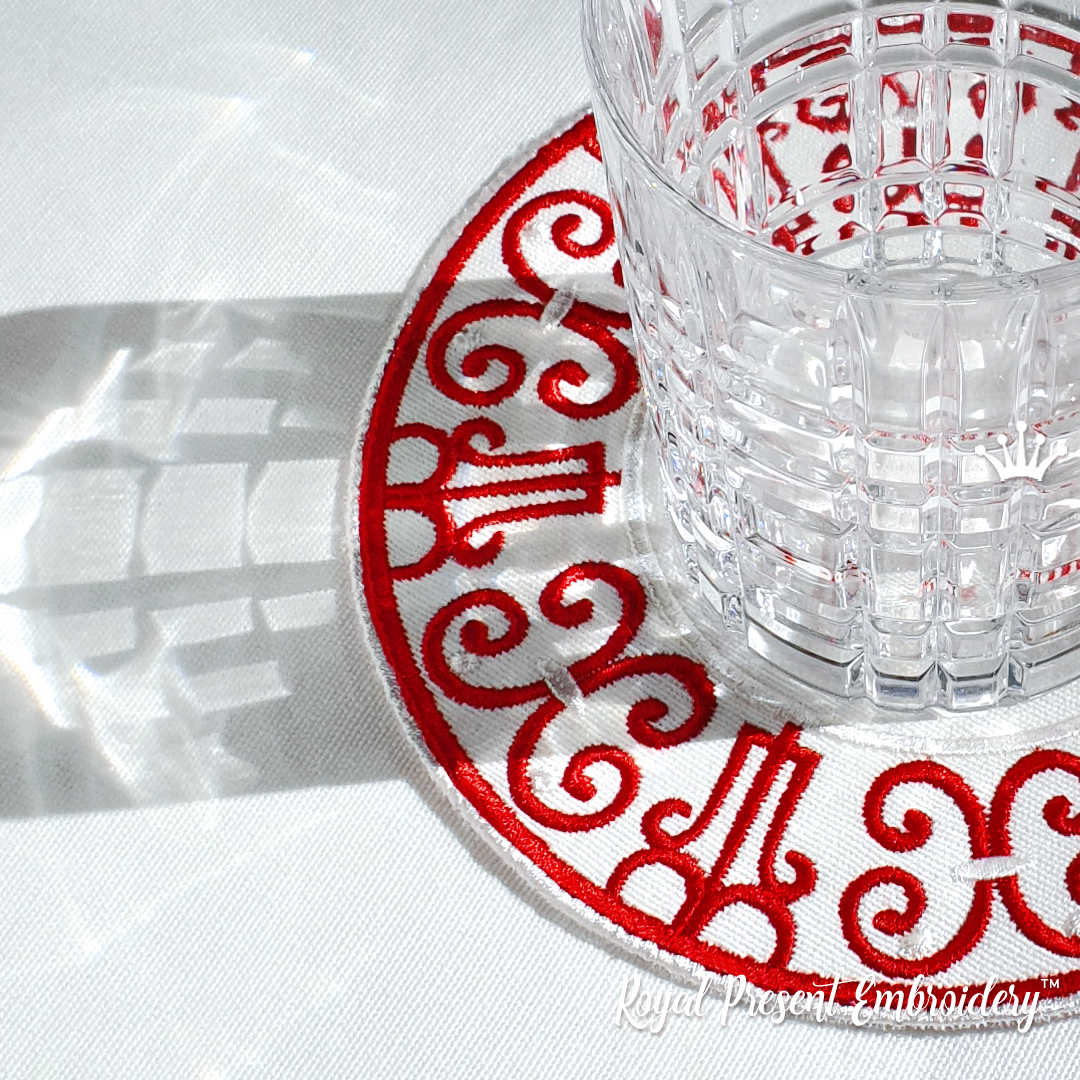
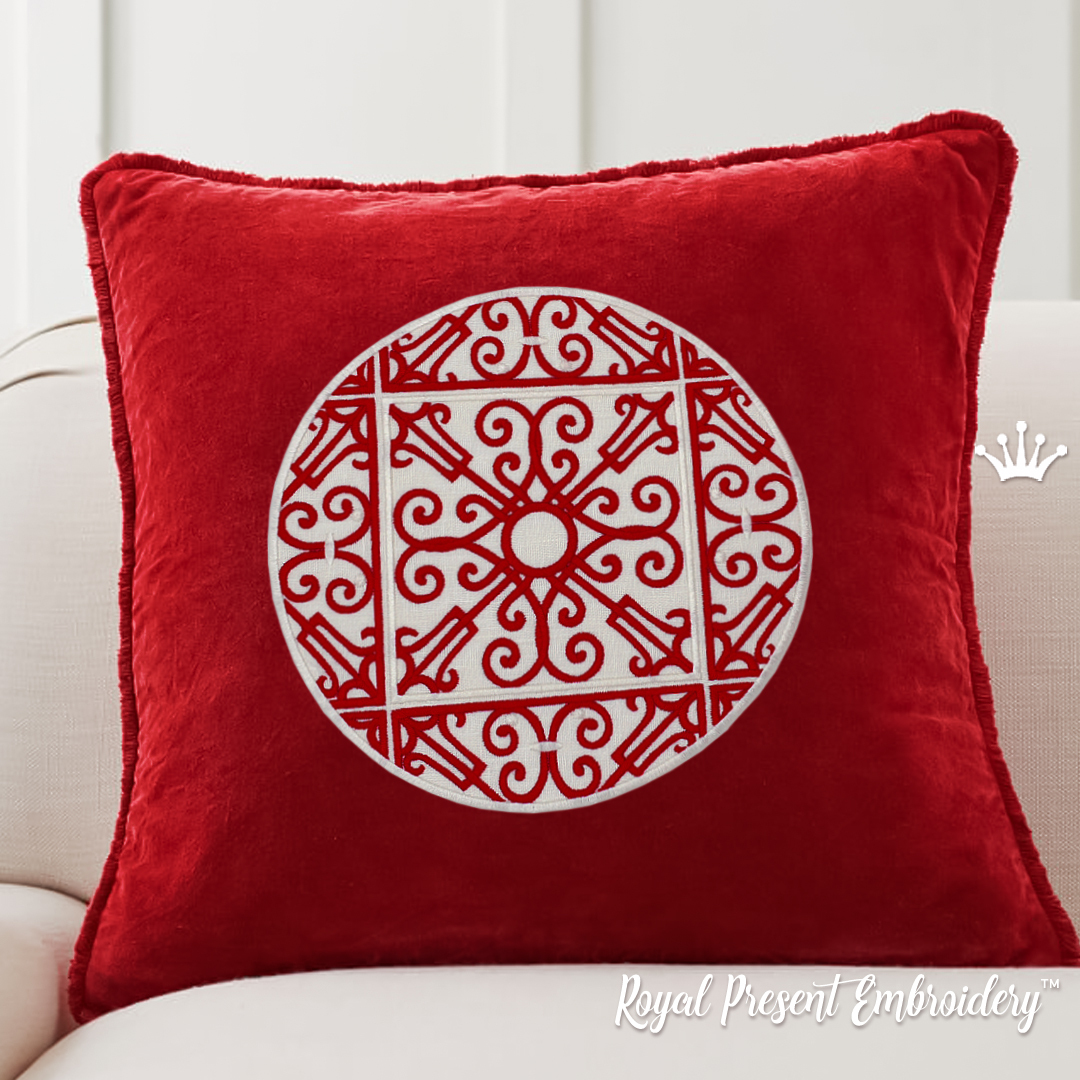
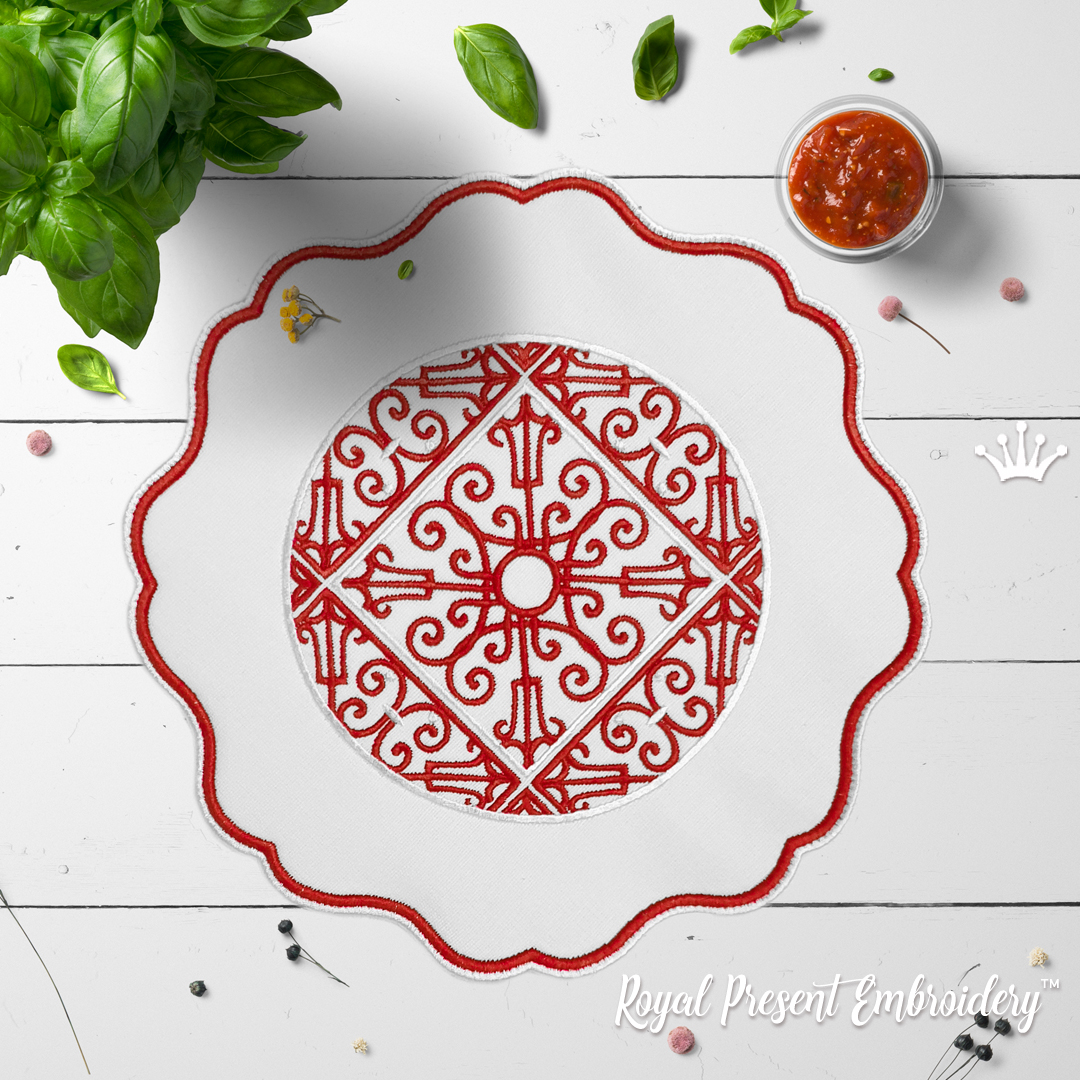
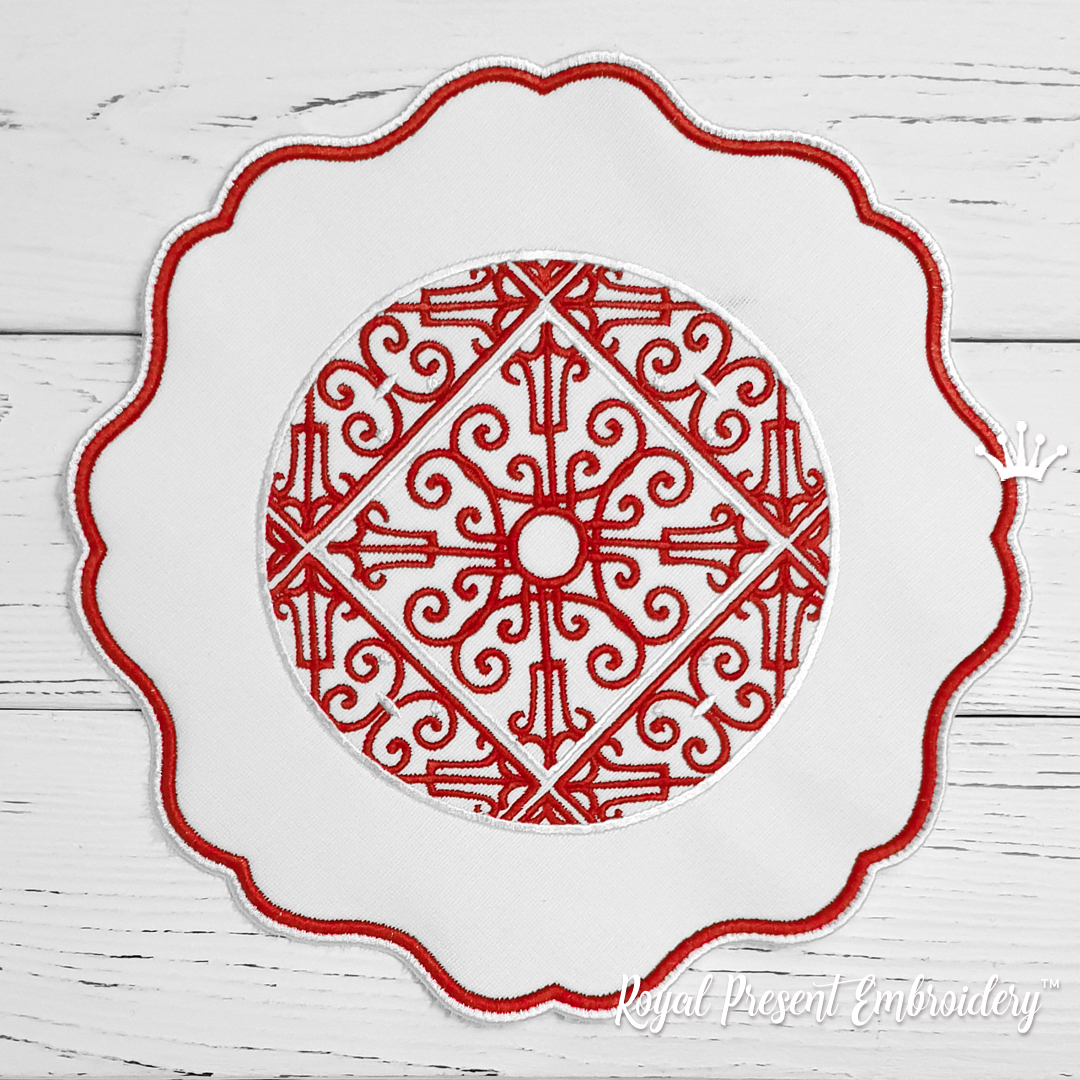
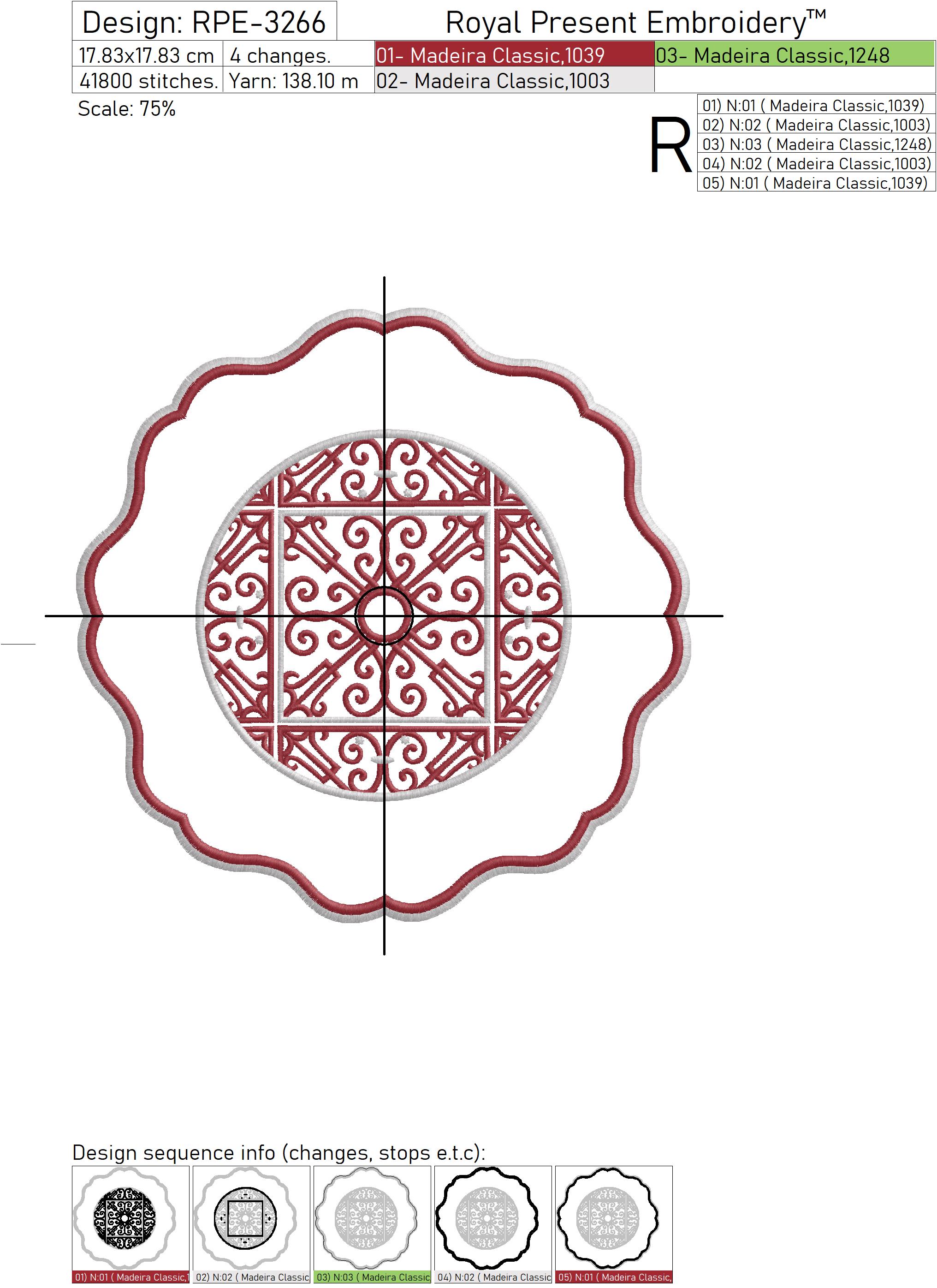
This digital ITH placemat embroidery design creates one finished round Andalusian table mat in 11 exact sizes. The download includes the embroidery files, the RPE-3266 Madeira color chart and illustrated PDF instructions; the front, backing and scalloped embroidered edge are assembled entirely in the hoop.
Exact sizes, stitches and file formats
Size: 178.3x178.3mm (7.02x7.02"), Stitches: 38939
Size: 198.3x198.4mm (7.81x7.81"), Stitches: 43198
Size: 217.9x217.9mm (8.58x8.58"), Stitches: 47225
Size: 237.8x237.9mm (9.36x9.37"), Stitches: 51354
Size: 257.9x257.9mm (10.15x10.15"), Stitches: 55626
Size: 278.0x278.0 mm (10.94x10.94 "), Stitches: 59767
Formats for the six sizes above: .dst, .pec, .vip, .hus, .pes, .exp, dat, jef, vp3, .sew, xxx
Size: 298.0x298.0 mm (11.73x11.73 "), Stitches: 64047
Size: 318.0x318.0 mm (12.52x12.52 "), Stitches: 68272
Size: 347.9x347.9 mm (13.70x13.70 "), Stitches: 74552
Size: 368.4x368.4mm (14.50x14.50"), Stitches: 80491
Size: 398.4x398.4mm (15.69x15.69"), Stitches: 86179
Format for the five sizes above: .dst
| Specification | Exact product data |
|---|---|
| Product type | Digital in-the-hoop machine embroidery design |
| Included | One placemat design in 11 sizes, Madeira color chart and illustrated PDF instructions |
| Construction | Front, backing and finished scalloped edge completed in one hooping |
| Stitch-count range | 38,939–86,179 stitches, depending on size |
| Color sequence | 3 Madeira Classic 40 numbers, 5 color blocks and 4 changes |
| Recommended fabric | Smooth table linen or a stable linen-cotton blend |
| Design language | Andalusian arabesque, wrought-iron geometry and a red-and-white table palette |
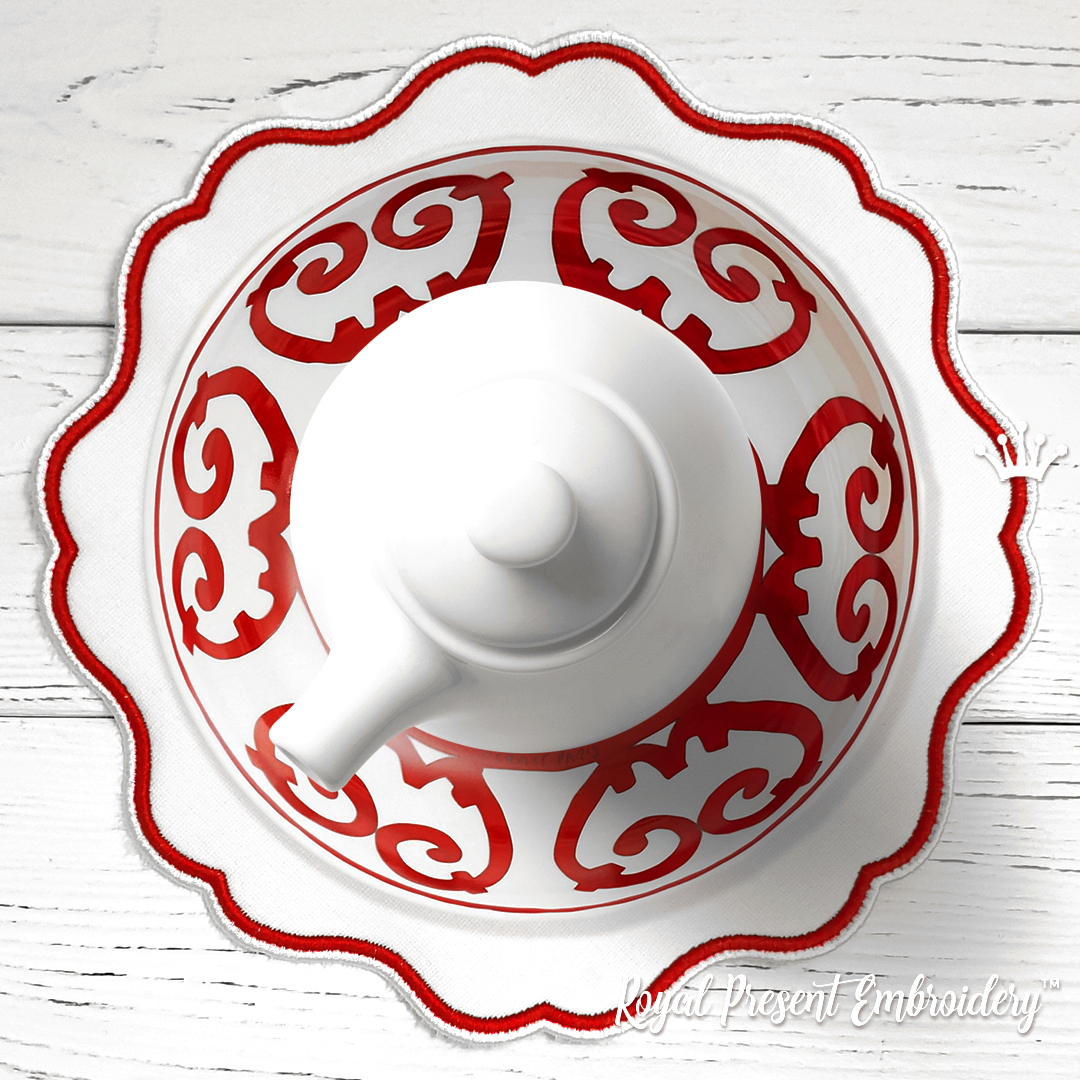
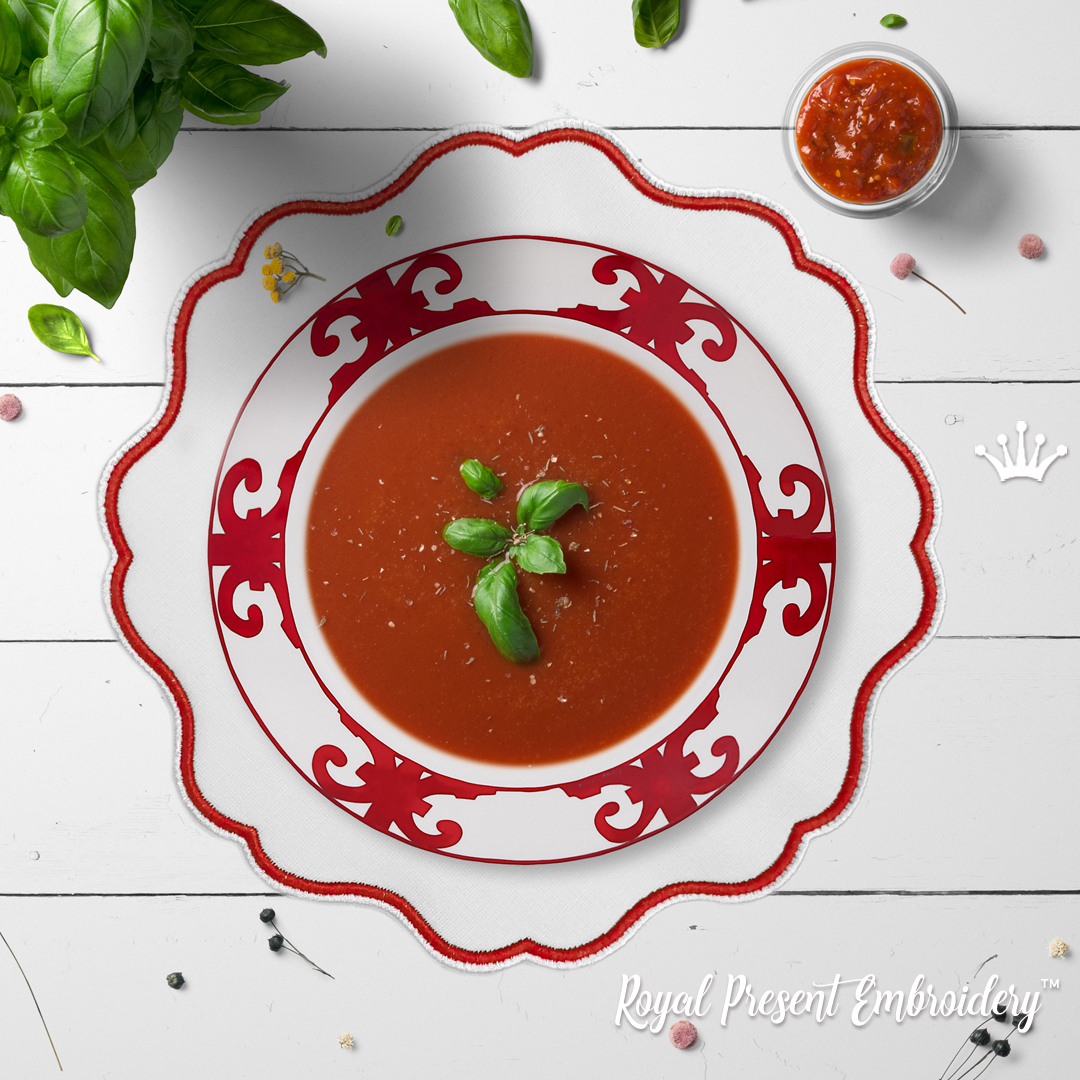
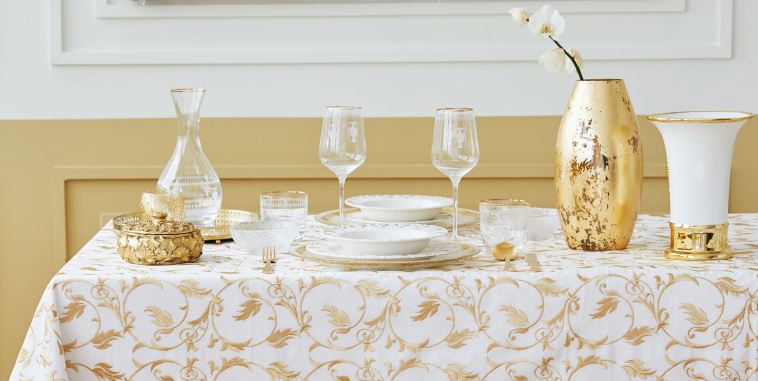
The red-and-cream version was developed for a table where the textile needs to echo expressive porcelain without competing with it. Its circular arabesque and scalloped edge coordinate naturally with Hermès Balcon du Guadalquivir: Brick Red continues the porcelain's red rhythm, Cream White softens the contrast and the exposed linen keeps the setting visually open.
Both collections draw on Andalusian decorative culture—radial symmetry, scrollwork and the geometry of wrought-iron balconies—but this stitch composition is an original Royal Present Embroidery artwork. It is designed to complement Hermès tableware; it is not a copy of the porcelain decoration, an official collaboration or a licensed Hermès product.
Red and cream create the clearest connection with Balcon du Guadalquivir. Burgundy with ecru gives a quieter formal result; navy with silver-gray works for evening dining; terracotta with warm white suits natural flax linen. Leave a pale area visible around the plate—the open ground is what prevents the dense ornament from looking heavy.
The program contains five color blocks in this order: 1039 → 1003 → 1248 → 1003 → 1039. The green block marks a construction stage; it is not a visible green detail in the finished red-and-white placemat.
| Color | Madeira Classic 40 | Function in the design |
|---|---|---|
| No. 1039 – Brick Red | Main arabesque and final red outline; blocks 1 and 5 | |
| No. 1003 – Cream White | Light ornamental lines and edge finish; blocks 2 and 4 | |
| No. 1248 – Margarita Lime | Construction stop and backing-placement line; stitch it with thread matching the fabric |
Do not merge repeated colors with automatic color sorting. The second 1003 and 1039 blocks finish different construction stages after the backing has been attached and both fabric layers have been trimmed. Changing their order breaks the ITH assembly sequence.
A reliable starting point is prewashed table linen or a stable linen-cotton blend around 180–240 g/m² (5.3–7.1 oz/yd²). A close, even weave supports 38,939–86,179 stitches and lets you trim both layers close to the securing line. Loose rustic linen tends to fray beneath the satin edge, while heavy upholstery fabric makes the cut edge bulky.
Use front and backing fabrics with similar weight and shrinkage, and preshrink both before cutting. A much lighter backing can pull a large mat into a shallow bowl after the stabilizer is removed; a much heavier backing produces a stiff, uneven rim.
The illustrated instructions use two layers of tear-away stabilizer with the front fabric. Madeira Cotton Soft or another firm household tear-away works well with stable woven linen. On the larger versions, keep the outer portion of the hoop level with the machine bed so the frame's weight does not pull against long circular outlines.
The official guide shows the backing-placement stage, trimming on both sides and completion of the scalloped embroidered edge.
Download the step-by-step PDF instructions
Clean-back tip: the bobbin thread used for the final outlines is visible on the reverse. Wind a bobbin with the same thread as the top—or the closest practical shade—especially for the final Madeira 1039 Brick Red block.
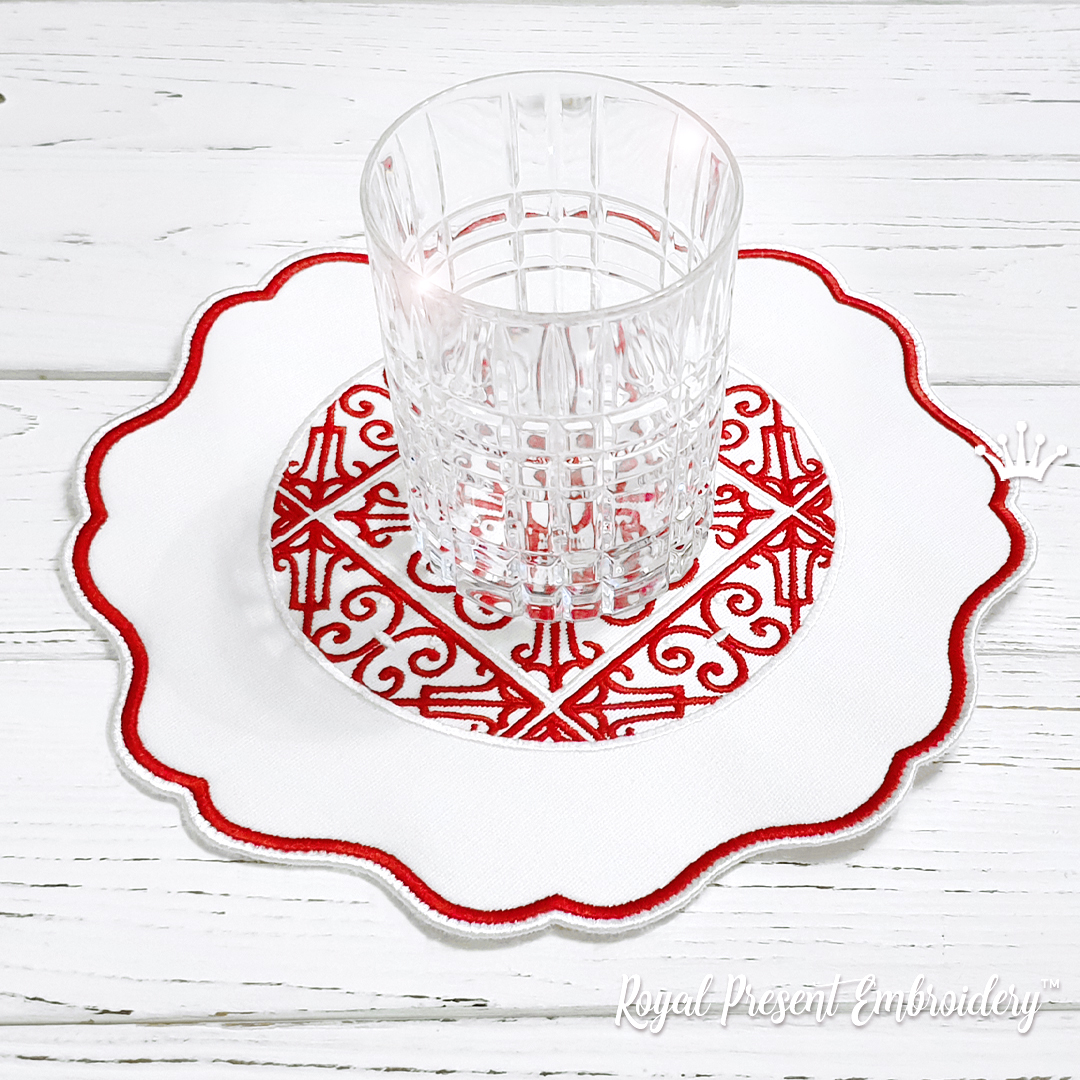
Choose by the diameter of the dinnerware and by the amount of arabesque you want to remain visible. The 178.3–217.9 mm (7.02–8.58 inch) sizes work as mats for cups, stemware, bread plates and dessert plates. The 237.8–278.0 mm (9.36–10.94 inch) versions suit tea settings and smaller plates. The 298.0–347.9 mm (11.73–13.70 inch) sizes provide a useful frame for many dinner plates, while 368.4–398.4 mm (14.50–15.69 inch) create a broader formal place setting.
For a quick visual check, cut a paper circle to the selected size and place the actual plate on it. The mockup immediately shows how much embroidery and scalloped edge will remain visible. Before making a full set, stitch one placemat, wash and press it, then use that finished piece as the production standard for the rest.
No. The front, backing and embroidered scalloped edge are joined in the hoop according to the supplied sequence. After stitching, only stabilizer removal and final thread cleanup remain.
Madeira 1248 Margarita Lime marks the construction stop used to position and secure the backing. The PDF instructs you to stitch this outline with thread matching the fabric, so bright green does not remain on the finished placemat.
Measure the plate's outside diameter and place it on a paper template cut to one of the exact design sizes. Select the version that leaves the preferred amount of arabesque and scalloped edge exposed.
Yes. The Brick Red and Cream White palette, radial arabesque and Andalusian character were chosen to complement this tableware. The embroidery is an independent Royal Present design and does not reproduce the porcelain decoration.
Wash on a delicate cycle at up to 30 °C / 86 °F without chlorine bleach. Reshape immediately, dry flat and press slightly damp linen from the reverse through a cotton cloth.
So, you’re looking for the best embroidery machine for your home embroidery business. If you’re reading this article, it means that you haven’t set your mind on anything definite yet. It’s...
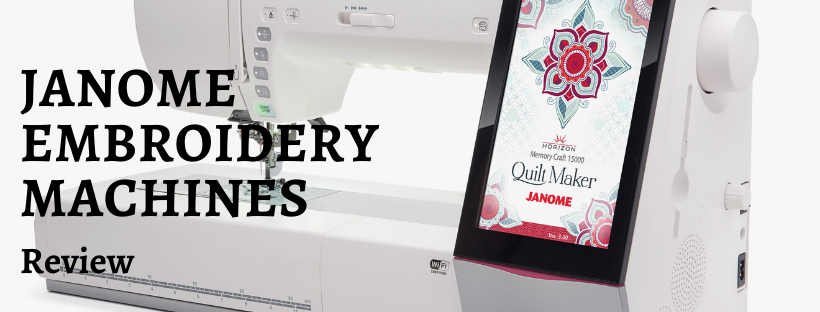
“Janome embroidery machine is the sales leader among embroidery machines available on the market. All models are of high quality, with additional functions for embroidery and are able to work even...
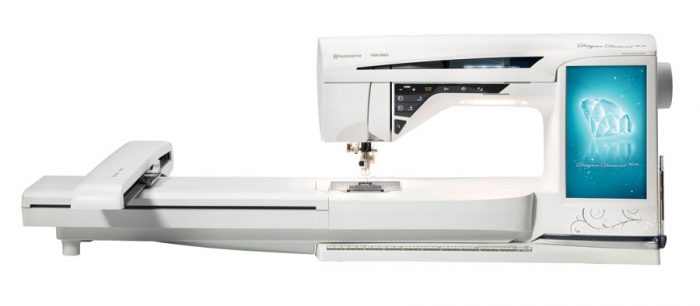
Formats: VP3/VIP/HUS/DST/SHV Before we actually speak about Husqvarna hoop sizes and formats for embroidery, let’s speak about the topic in general. Bigger is not always better Experience...
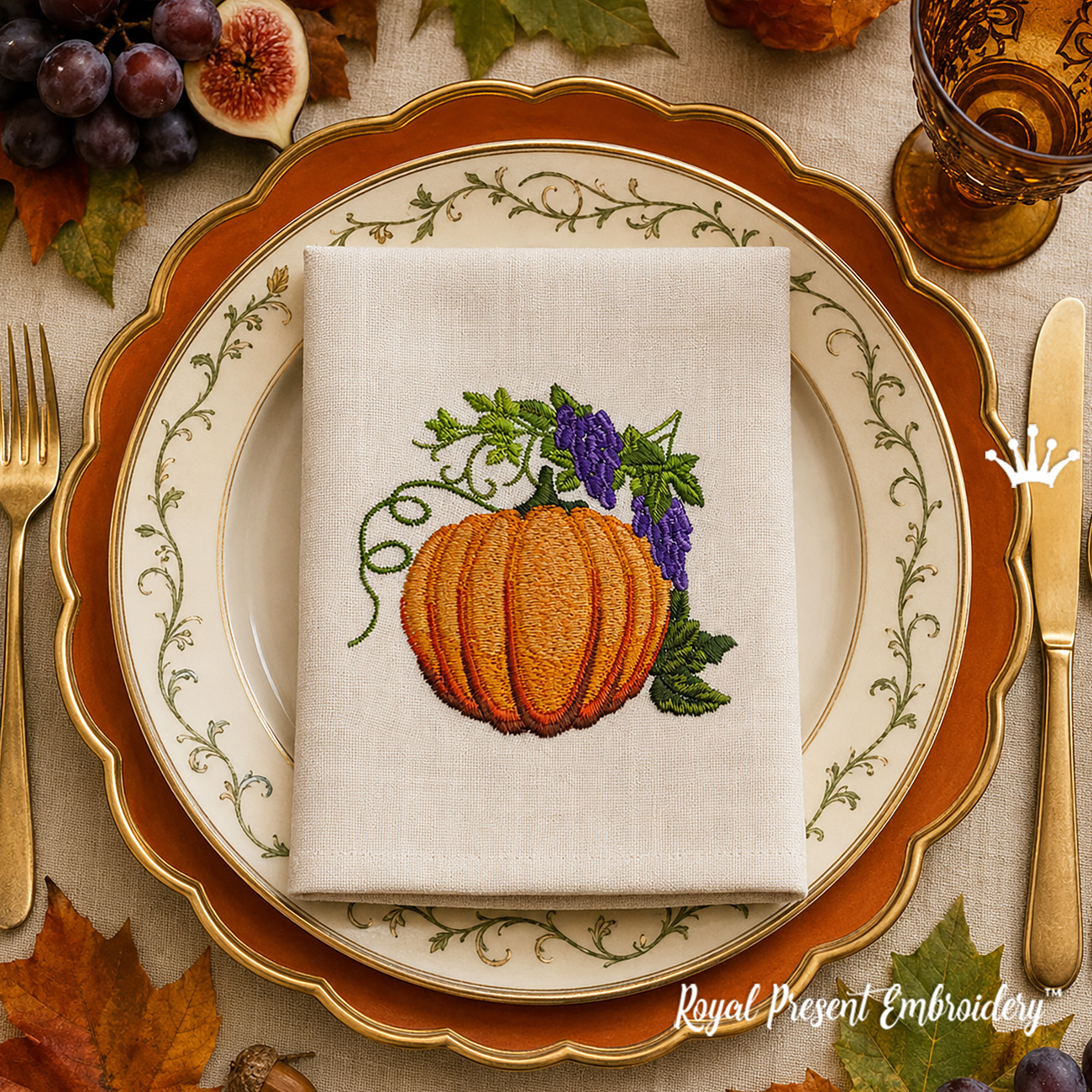
What is this free download? This is a complete digital machine embroidery design featuring an autumn pumpkin, purple grapes and green leaves. Download it directly from this page without creating an accou...
One of the imperative criteria for a successful embroidery project is coordinating your embroidery machine abilities with the design you are contemplating creating. Some embroidery machines c...
Embroidery Hoop Sizes Explained: Why 5×7 Means 130×180 mm Quick answer: names such as 4×4, 5×7 and 6×10 are convenient rounded hoop-size labels. They are not always exact inch measurements. For examp...

The 10 Best Embroidery Machines for Custom Designs in 2023 Embroidery, an age-old art, has witnessed remarkable technological advances, rendering it easier than ever to conceive breathtaking custom de...
Metallic thread can turn a machine-embroidered snowflake into a true point of light. Silver resembles frost and ice, pale gold adds warmth to Christmas linens, and a flat holographic ribbon...

 Get Sign-In Link
 Login with Google
 Login with Facebook
 Login with Amazon
 Login with Paypal