By knowing the speed of your embroidery machine, you can find out how long it will take to embroider a design.
To use the embroidery calculator, click on the number of stitches in the product description.
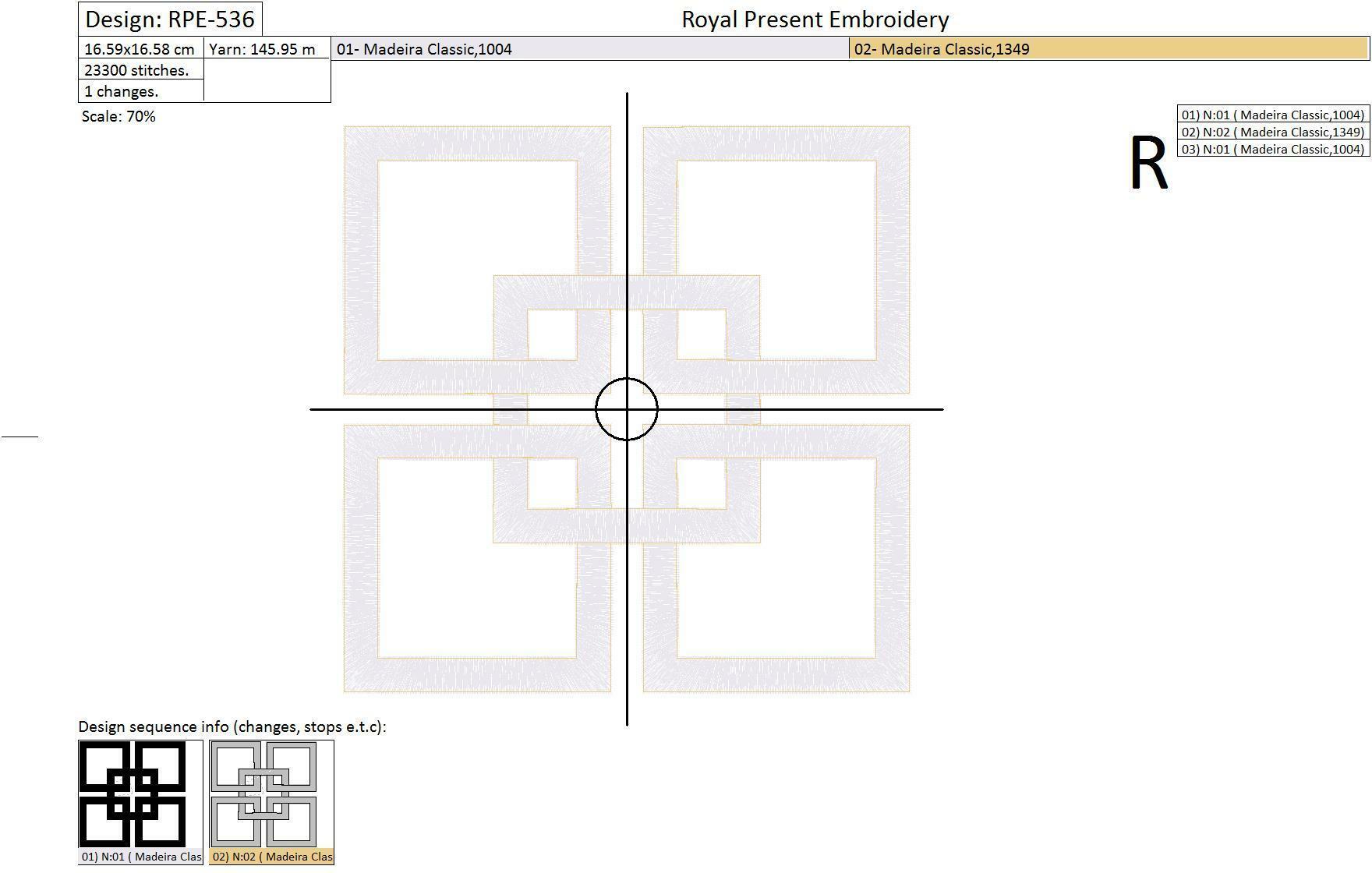
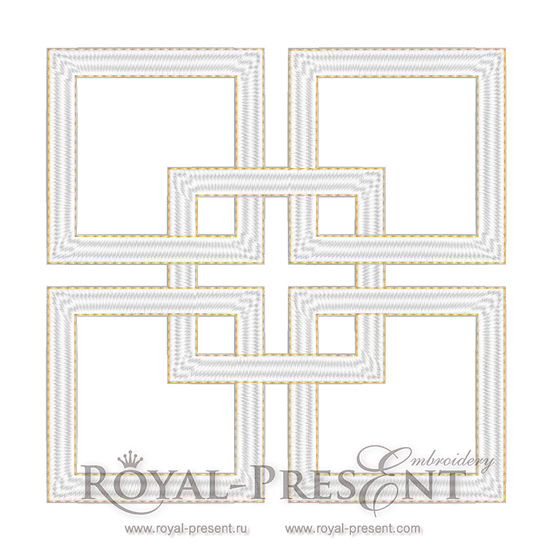
Size: 165.9x165.8 mm (6.53x6.53 "), Stitches: 23231
Formats: .dst, .jef, .pec, .vip, .hus, .pes, .sew, .exp, .dat, vp3, art, xxx
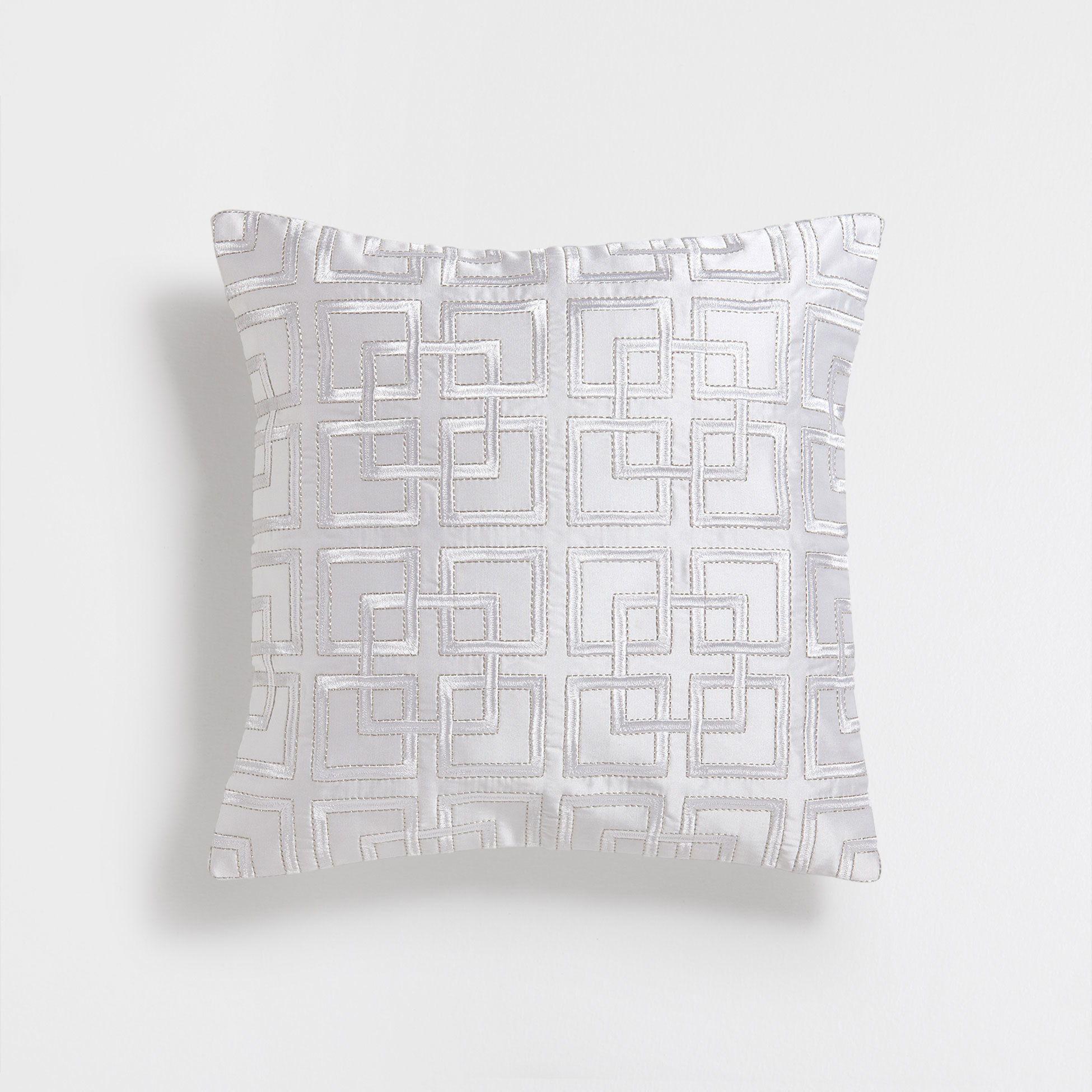
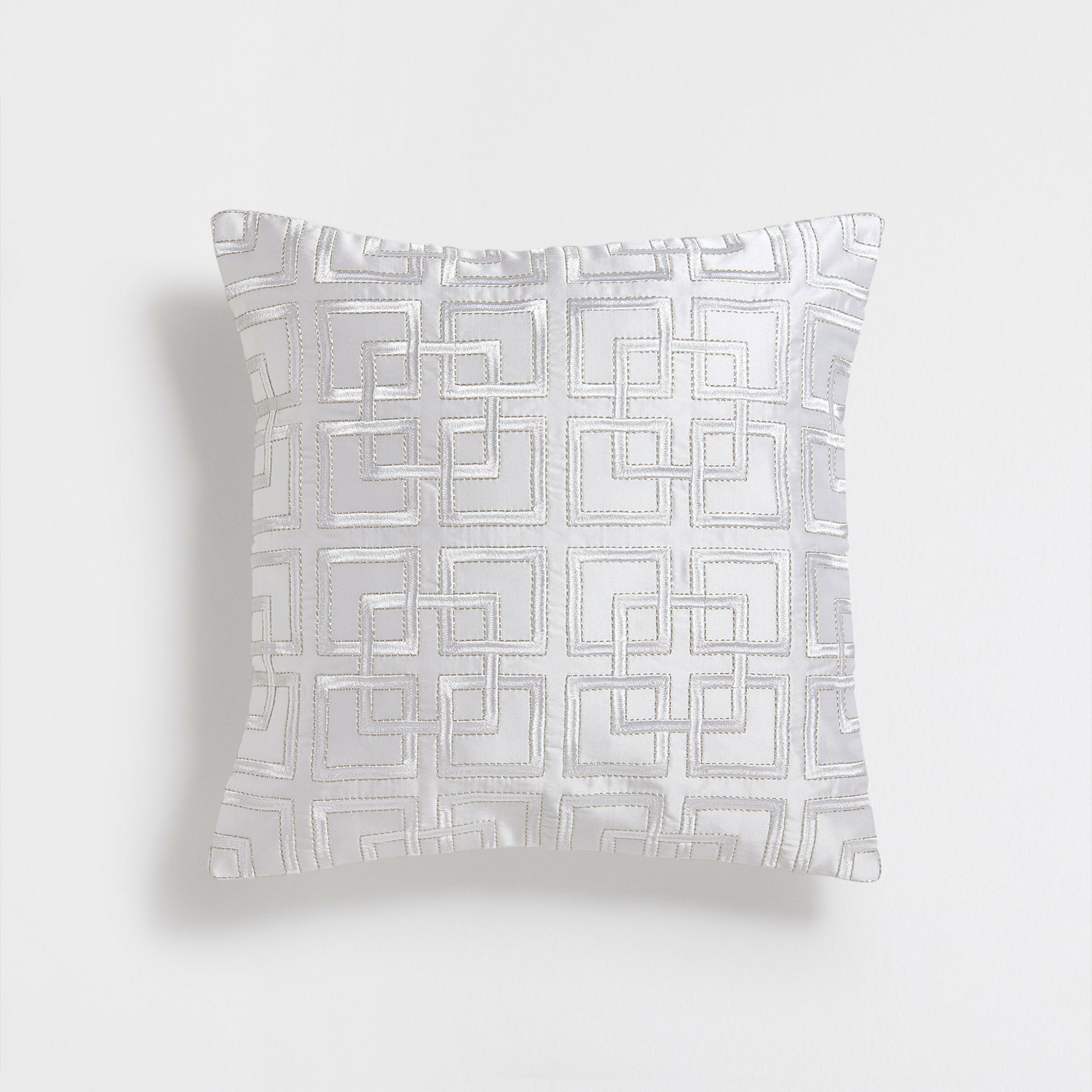
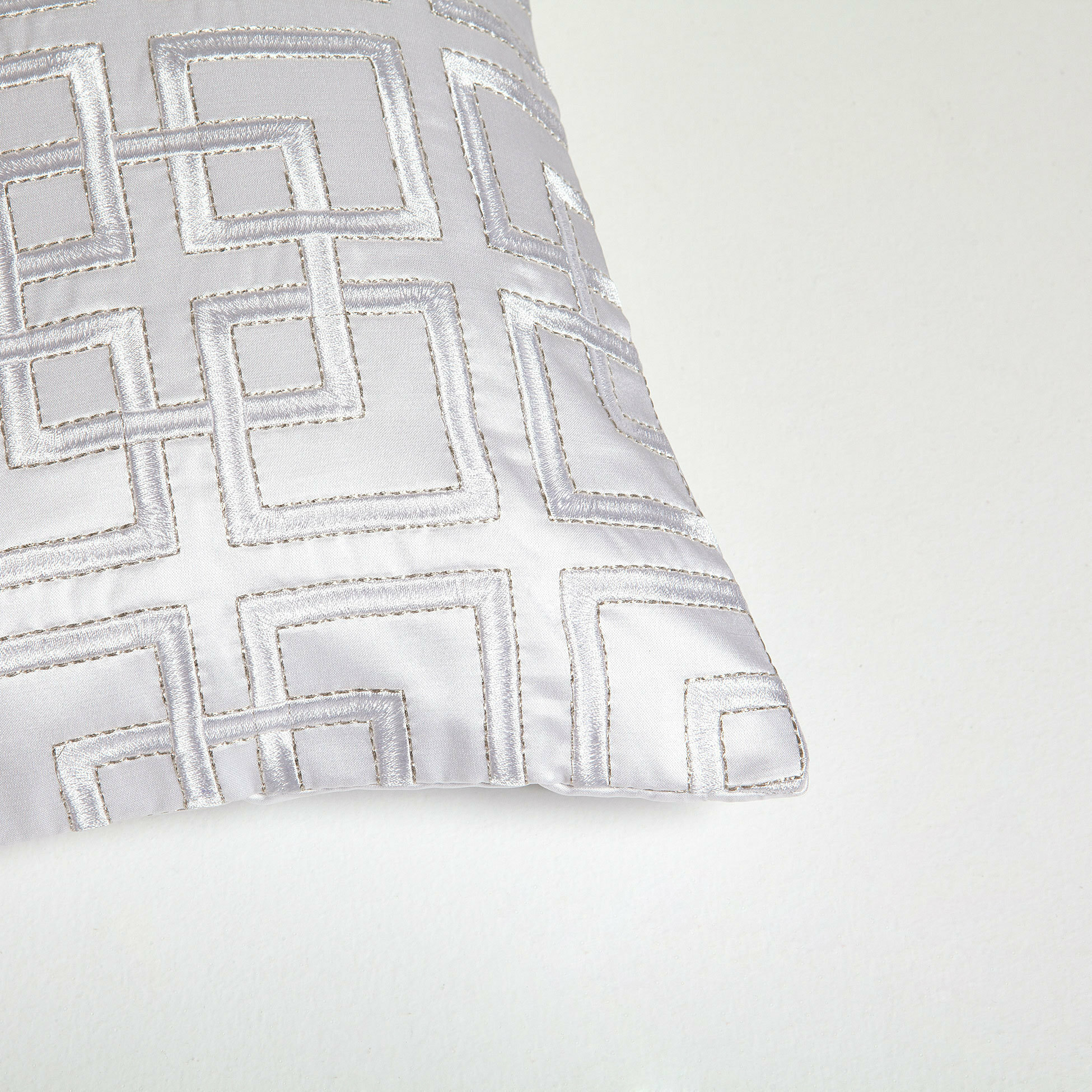
Geometric Elegance Squares Machine Embroidery Design: A Guide for Embroidery on Satin
The Geometric Elegance Squares machine embroidery design adds a modern and sophisticated touch to a variety of projects. This design is ideal for home décor items like pillow covers, table runners, and even luxury clothing. It comes with a commercial license, allowing you to use it on products for sale.
Where to Embroider Geometric Elegance Squares
This design is perfect for satin fabric due to its smooth texture and luxurious appearance. Satin enhances the clean lines and geometric patterns, making it an excellent choice for:
- Satin pillow covers
- Table runners
- Clutches or purses
- High-end fashion pieces
Embroidering on Satin: Key Rules
Satin is a delicate, smooth fabric that requires special handling during embroidery. Typically, satin weighs between 80-120 g/m², making it lightweight and prone to showing every detail of the stitching. Its smooth surface can leave marks from the hoop, so careful preparation is key.
How to Avoid Hoop Marks:
- Use soft fabric strips or a protective barrier between the hoop and the fabric to minimize pressure marks.
- If you still get hoop marks, lightly steam the fabric from the back to remove them.
- Alternatively, you can float the satin (hoop only the stabilizer) and secure the satin fabric using temporary spray adhesive.
Choosing the Right Stabilizer
Since satin is smooth and slippery, using the correct stabilizer is essential to prevent puckering and ensure clean, precise stitching.
Back Stabilizer (Underside):
- For light designs, such as minimalistic patterns, a sticky tear-away stabilizer like Gunold Filmoplast (80 g/m²) is a good option. This stabilizer holds the slippery satin in place without the need to hoop it too tightly.
- For denser designs or heavier satin, use a cutaway stabilizer like Sulky Cutaway or Madeira Cutaway (80 g/m²). This provides better support and prevents shifting during the embroidery process.
Top Stabilizer (Topping):
- Use a water-soluble topping like Sulky Solvy or Madeira Avalon Ultra. This prevents the stitches from sinking into the smooth surface of the satin and ensures that they remain crisp and visible.
Needle Choice
For satin, the ideal needle is a 75/11 sharp embroidery needle. Sharp needles have fine points that perforate the fabric cleanly without leaving large holes. Avoid using ballpoint needles, as they can damage the smooth fibers of satin.
Embroidery Process
When embroidering the Geometric Elegance Squares design on satin, slow down the machine speed to 500-600 stitches per minute. This helps reduce the risk of fabric puckering or distortion. Always test your stabilizer, needle, and settings on a small piece of satin before beginning your final project.
Conclusion
By following these guidelines, the Geometric Elegance Squares design will look stunning on satin, creating a refined and polished finish. Whether for home décor or luxury fashion, this design pairs beautifully with satin's natural sheen, offering a high-end, professional look.


 Get Sign-In Link
 Login with Google
 Login with Facebook
 Login with Amazon
 Login with Paypal