Tiny Floral Buttonholes for Kids — Set of 15 Machine Embroidery Designs
By knowing the speed of your embroidery machine, you can find out how long it will take to embroider a design.
To use the embroidery calculator, click on the number of stitches in the product description.
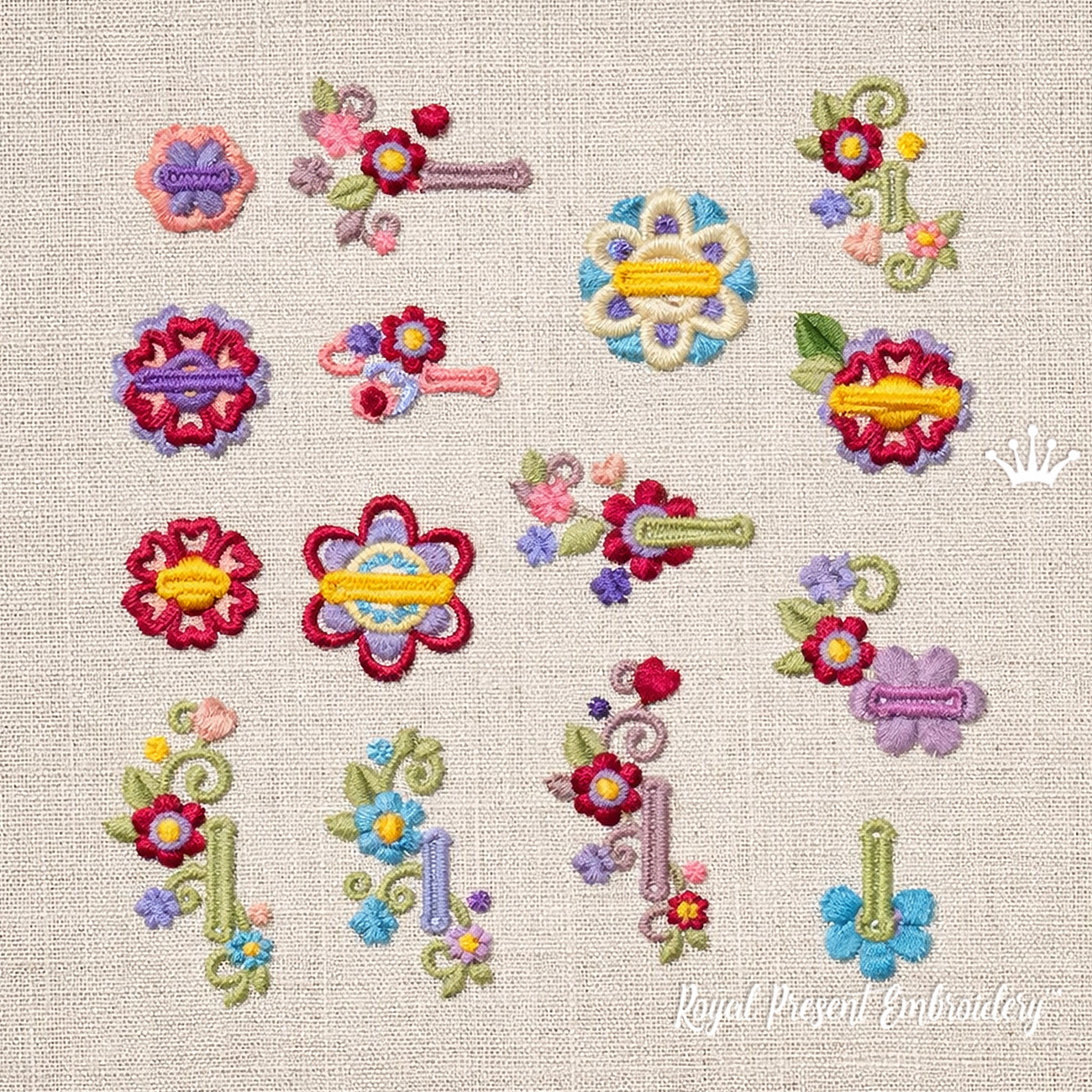
Tiny Floral Buttonholes for Kids is a set of 15 separate miniature floral machine embroidery designs for functional fastenings on baby clothes, kidswear and doll outfits. The buttonholes are intended for buttons approximately 5–12 mm (0.20–0.47") in diameter. Every file fits a stitching field of at least 80x80 mm (3x3") and can be used on cardigan plackets, vests, dresses, blouses, shirts, coats and miniature garments. This is a digital download for embroidery machines; no finished or physical product is shipped.
Before stitching: select the buttonhole with the actual button, not by diameter alone. A thick or domed button needs a longer opening than a thin flat button of the same diameter. Stitch one complete sample using the same fabric, interfacing and stabilizer, cut it open, and test the fastening before embroidering the garment.
Set Specifications
| Product type | Digital set of machine embroidery designs |
|---|---|
| Contents | 15 separate miniature floral buttonholes |
| Intended use | Functional decorative buttonholes for baby clothes, kidswear and doll outfits |
| Button size | Approximately 5–12 mm (0.20–0.47"); test with the actual button |
| Minimum hoop | At least 80x80 mm (3x3") |
| Compatible hoop fields | 80x80 mm (3x3"), 100x100 mm (4x4") and larger |
| Delivery | Instant digital download supplied as a ZIP archive |
Sizes, Stitches and Hoop Requirements
| No. | Exact file size and stitch count | Minimum compatible hoop |
|---|---|---|
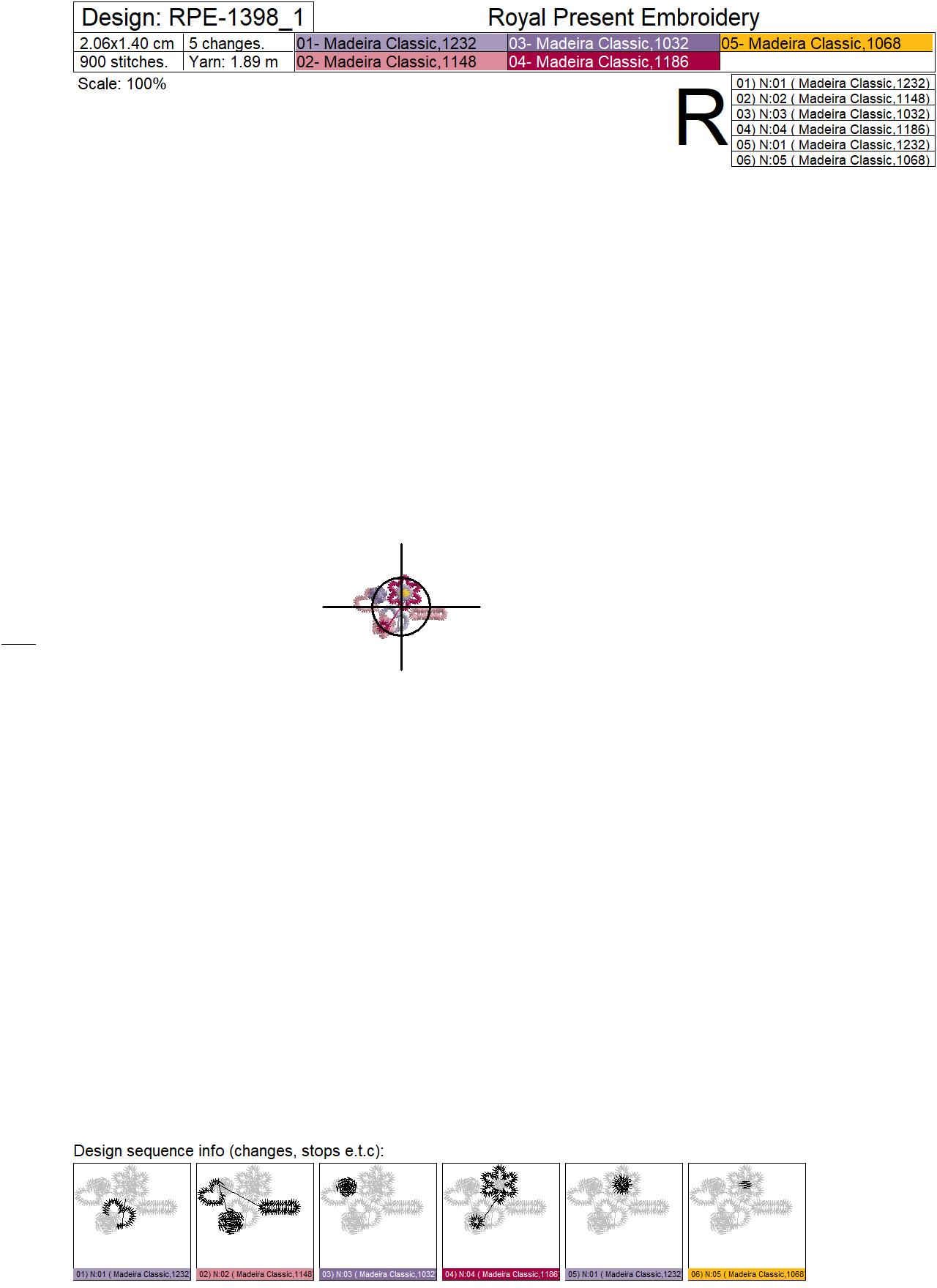
| 1 | Size: 20.6x14.0 mm (0.81x0.55"). Stitches: 821 | At least 80x80 mm (3x3") |
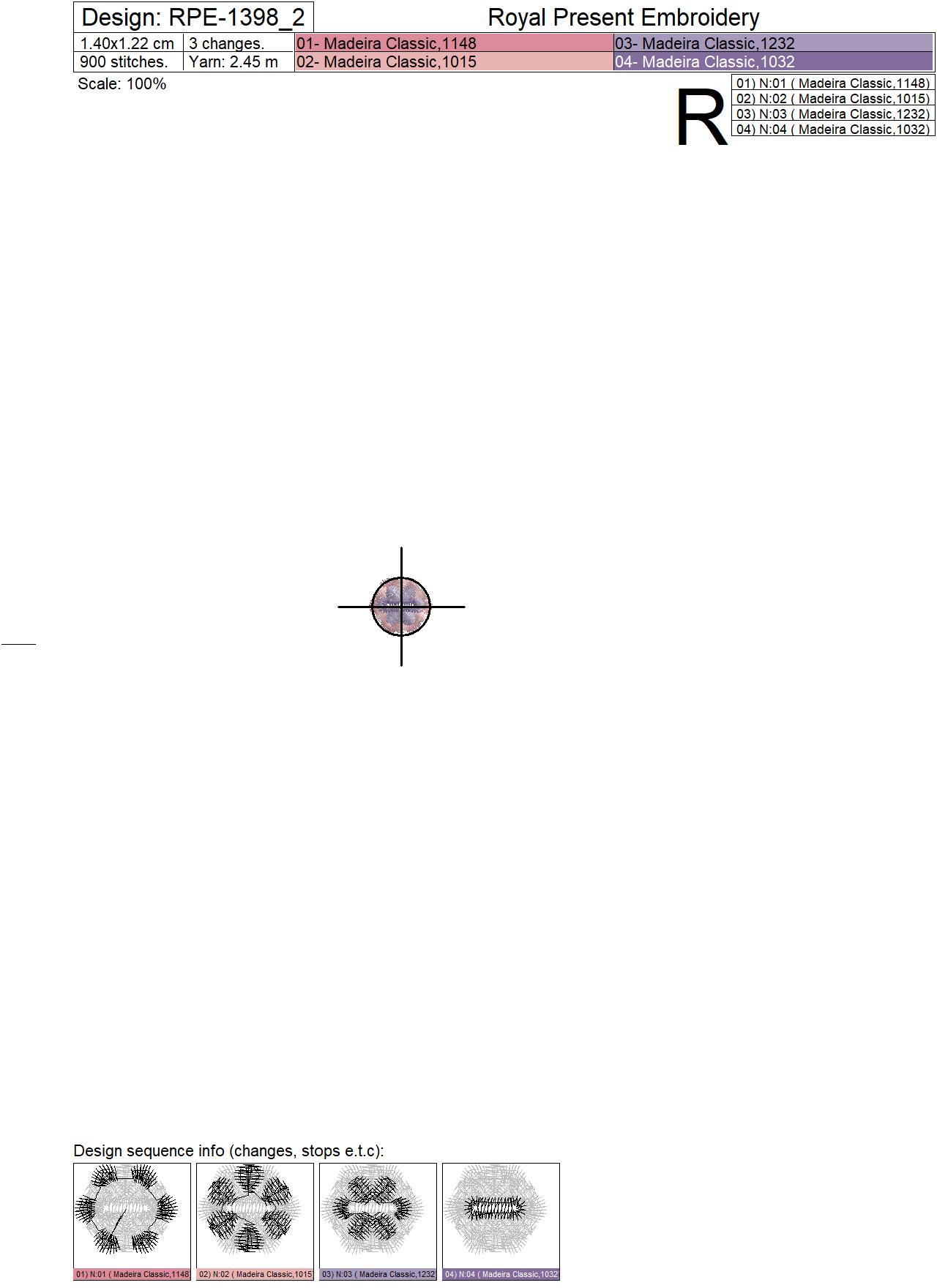
| 2 | Size: 14.0x12.2 mm (0.55x0.48"). Stitches: 810 | At least 80x80 mm (3x3") |
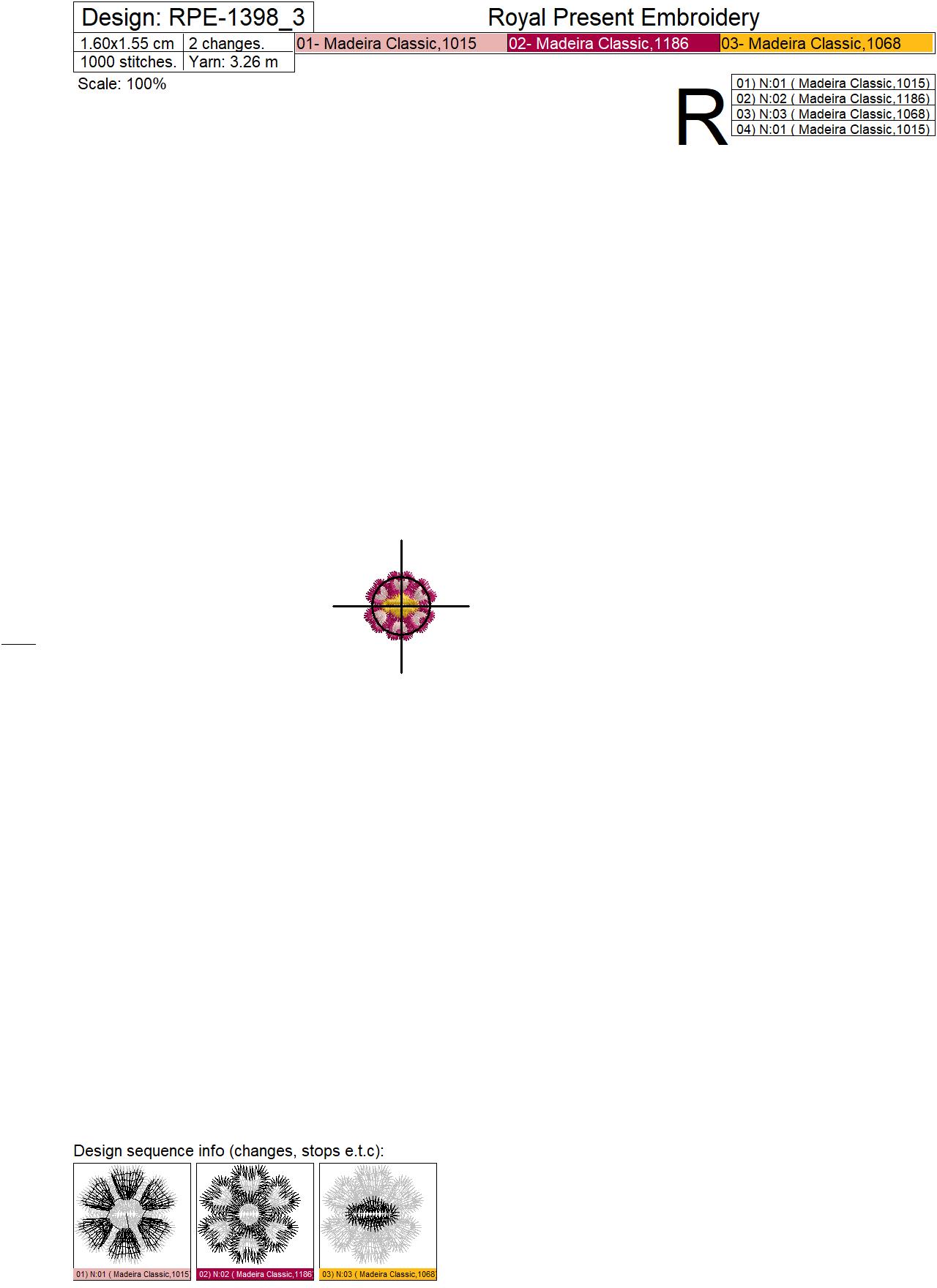
| 3 | Size: 16.0x15.5 mm (0.63x0.61"). Stitches: 1000 | At least 80x80 mm (3x3") |
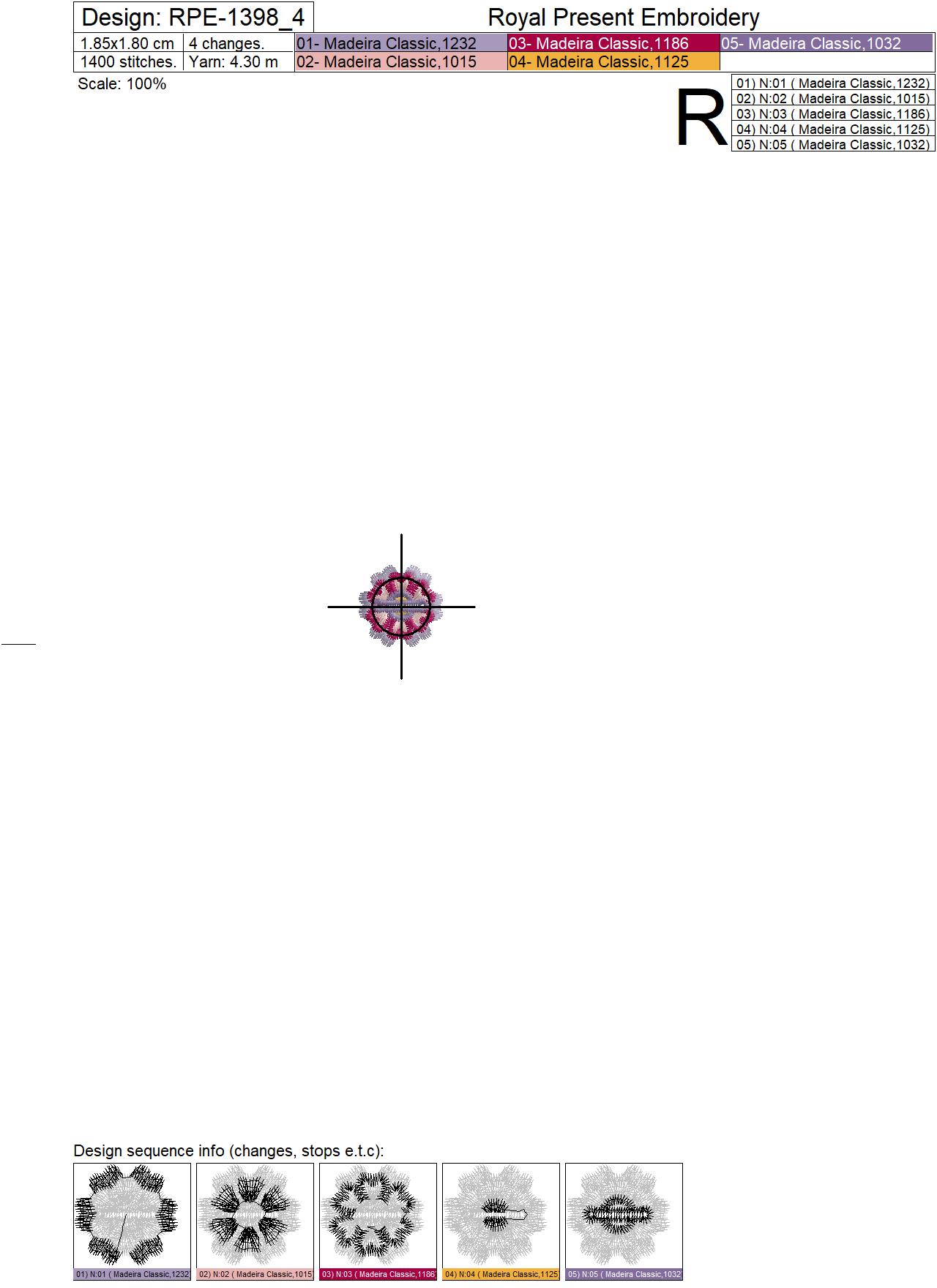
| 4 | Size: 18.5x18.0 mm (0.73x0.71"). Stitches: 1334 | At least 80x80 mm (3x3") |
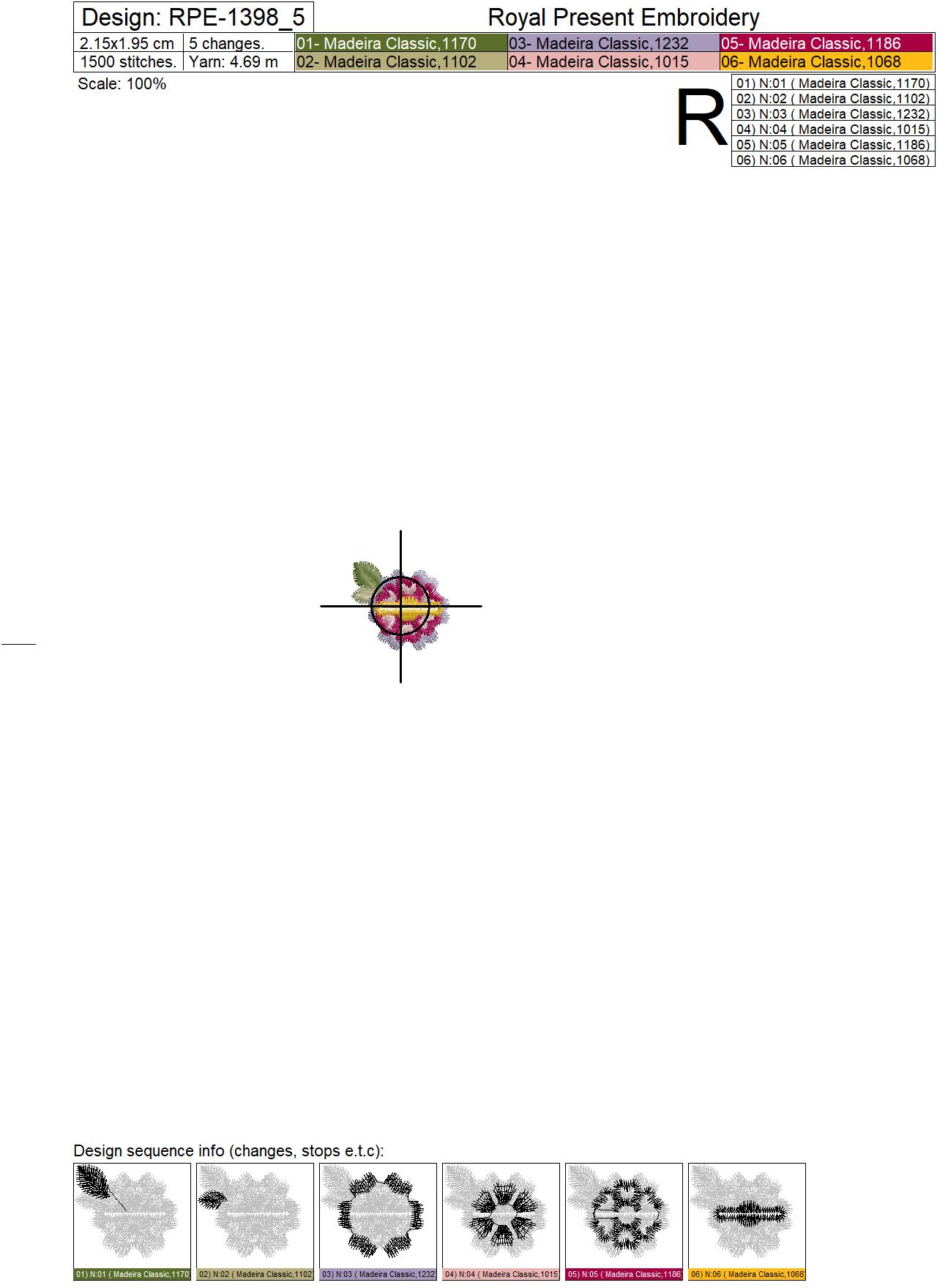
| 5 | Size: 21.5x19.5 mm (0.85x0.77"). Stitches: 1424 | At least 80x80 mm (3x3") |
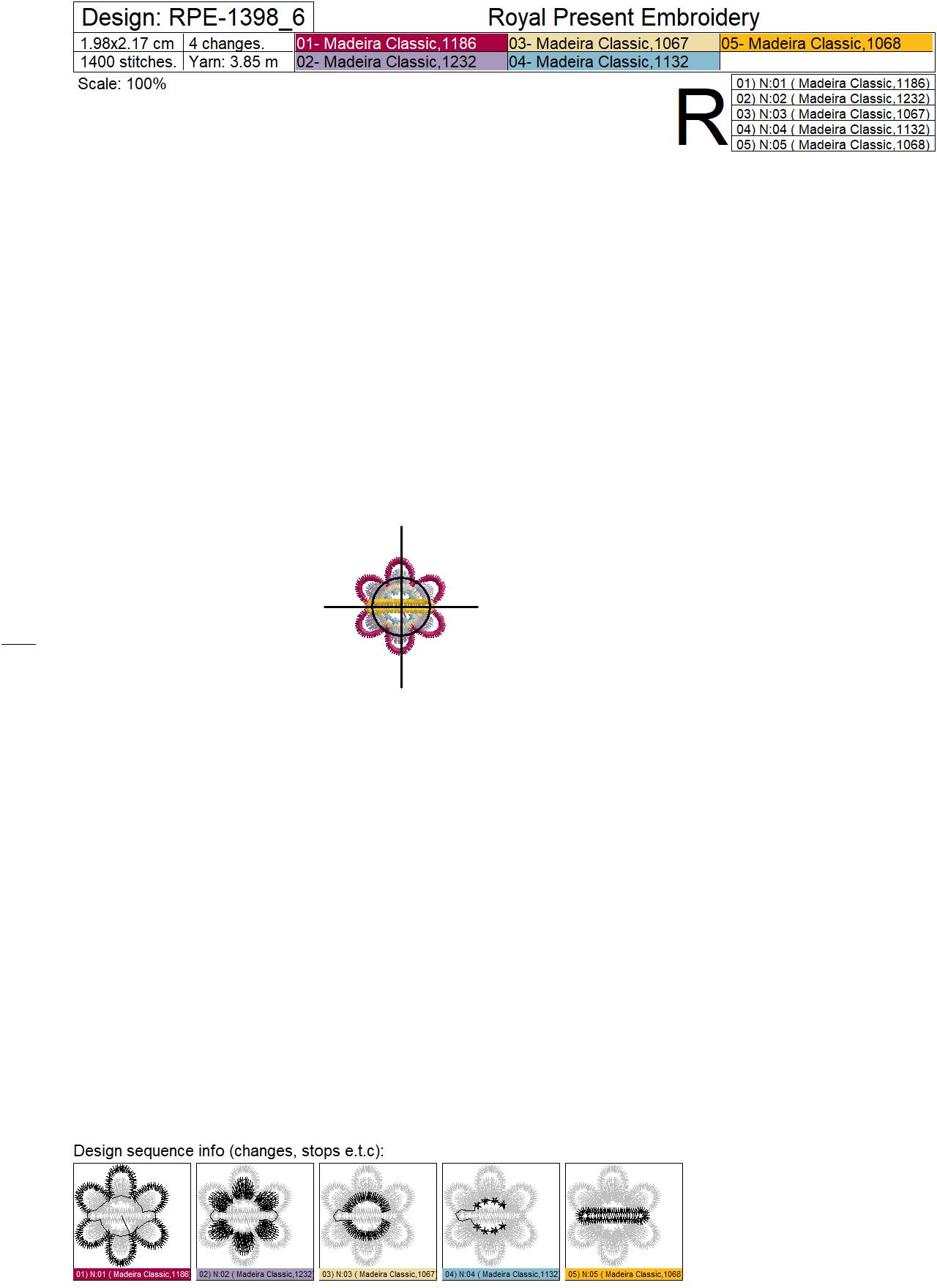
| 6 | Size: 19.8x21.7 mm (0.78x0.85"). Stitches: 1314 | At least 80x80 mm (3x3") |
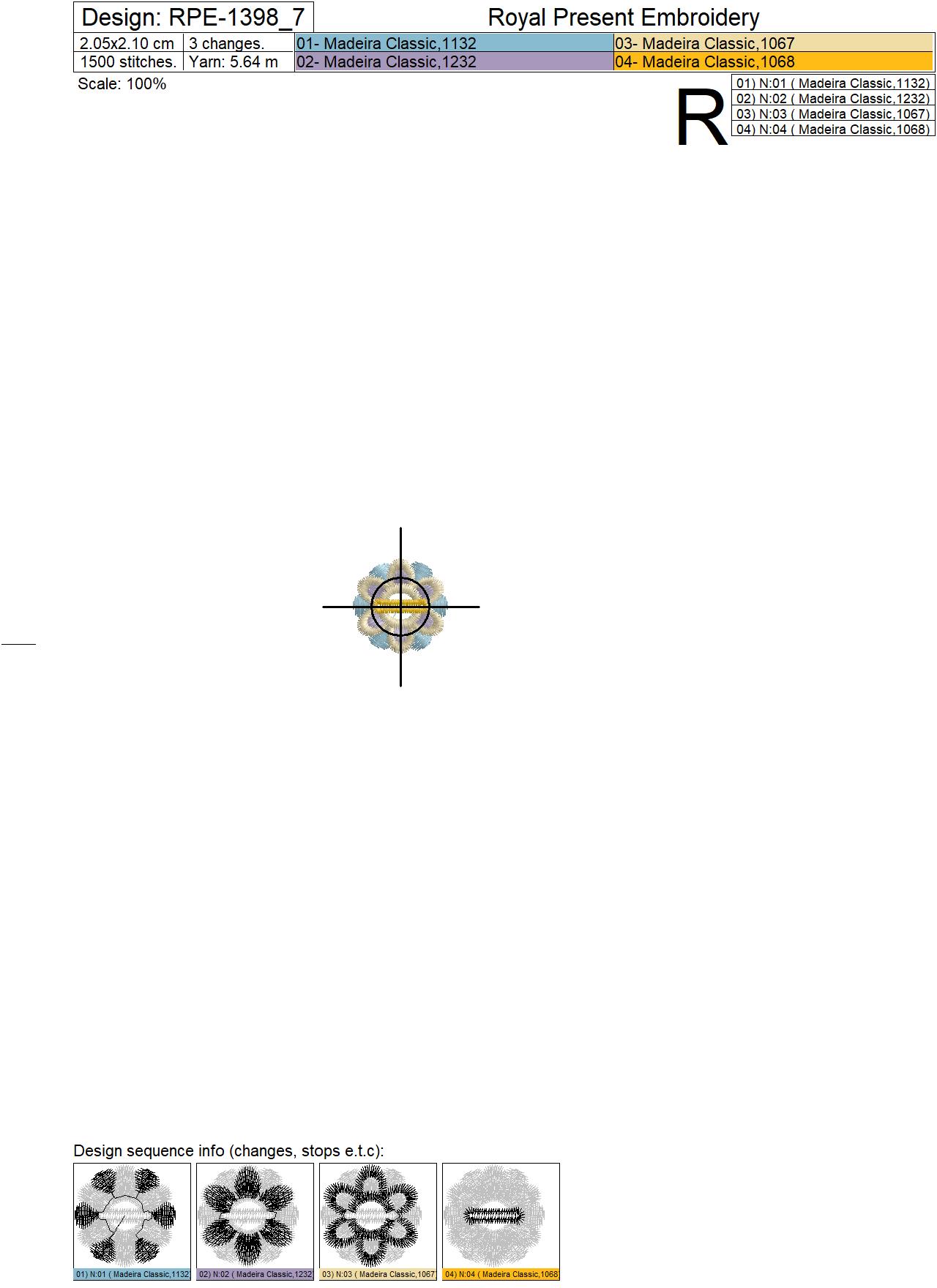
| 7 | Size: 20.5x21.0 mm (0.81x0.83"). Stitches: 1472 | At least 80x80 mm (3x3") |
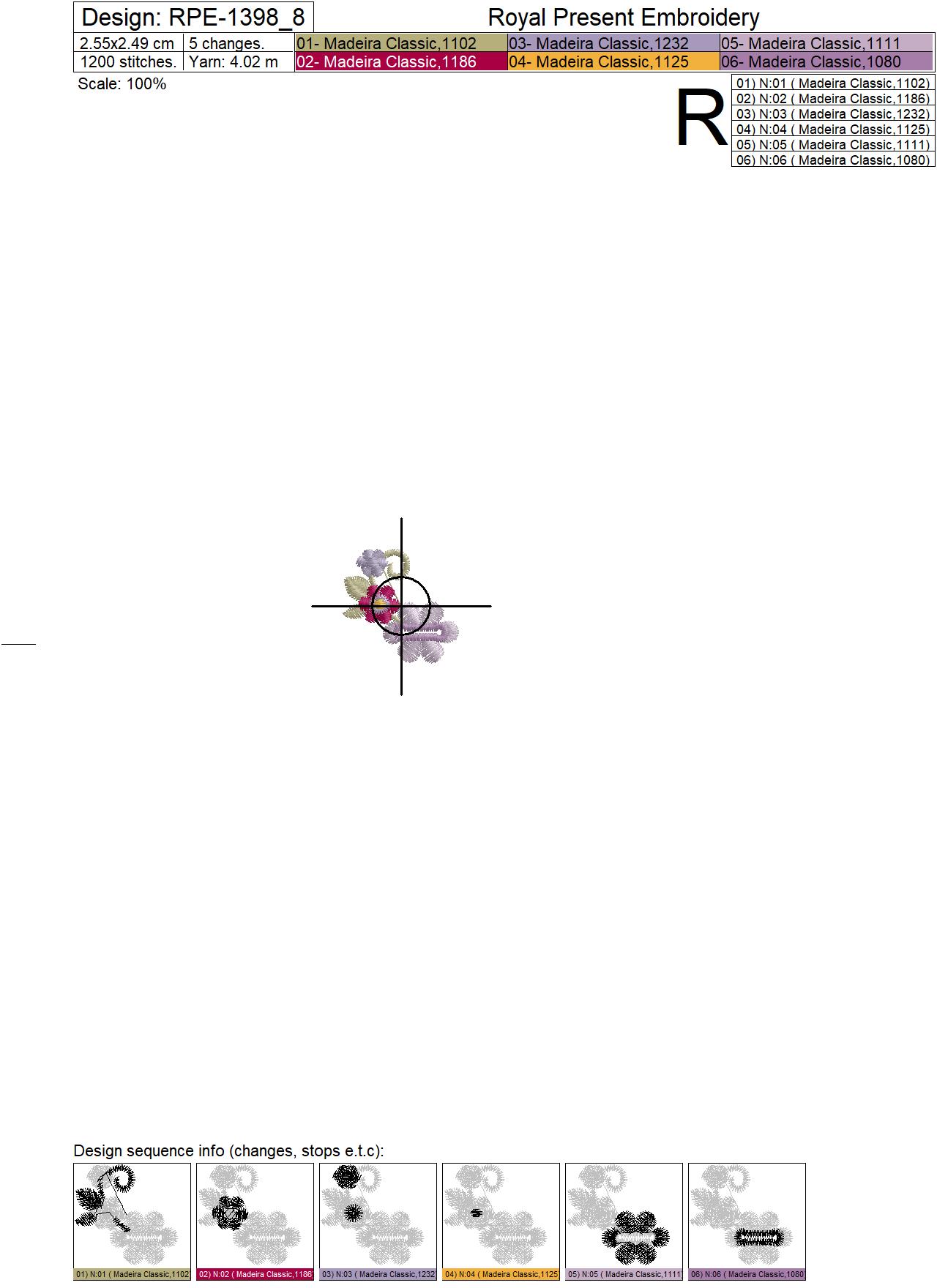
| 8 | Size: 25.5x24.9 mm (1.00x0.98"). Stitches: 1161 | At least 80x80 mm (3x3") |
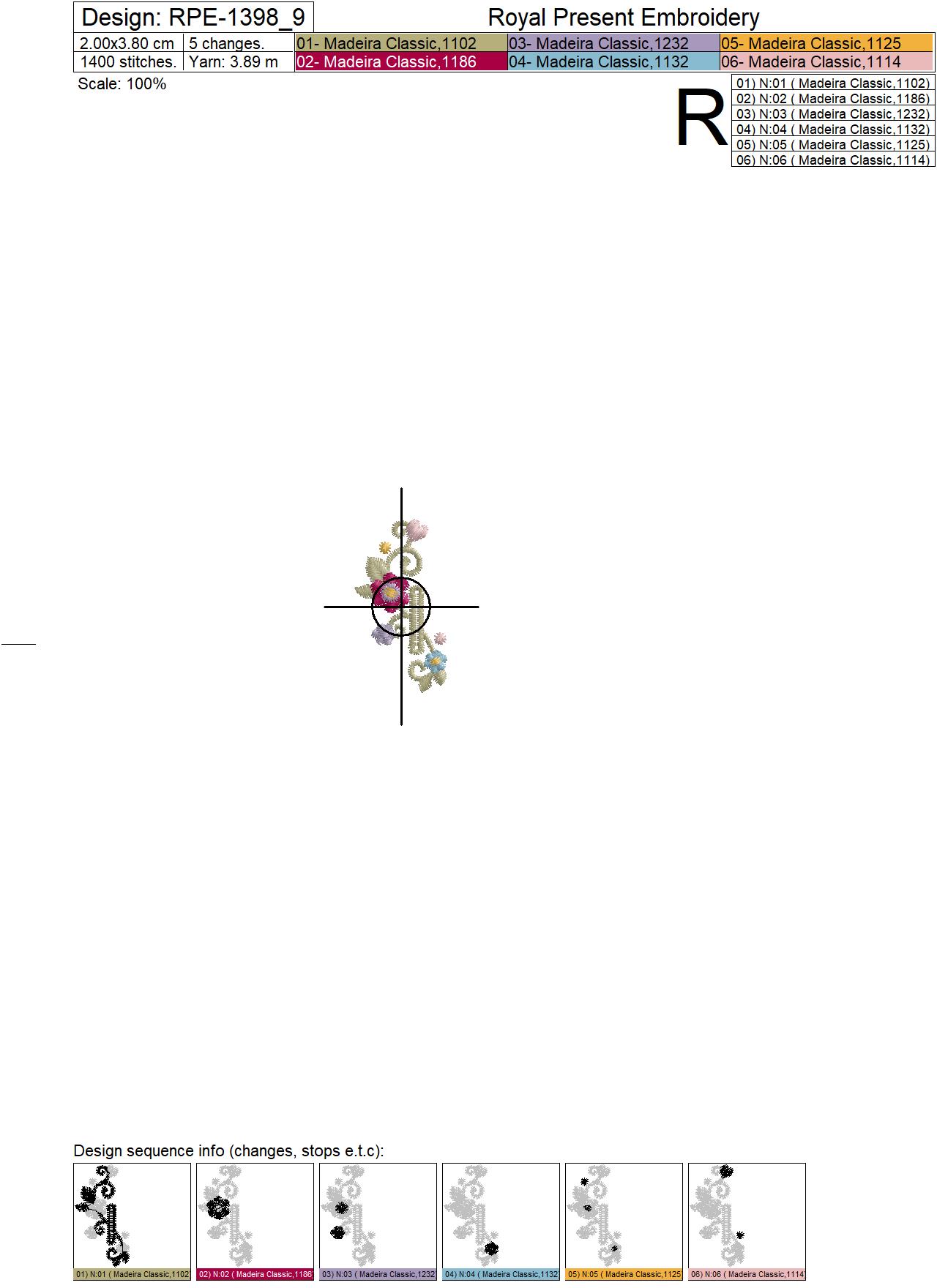
| 9 | Size: 20.0x38.0 mm (0.79x1.50"). Stitches: 1357 | At least 80x80 mm (3x3") |
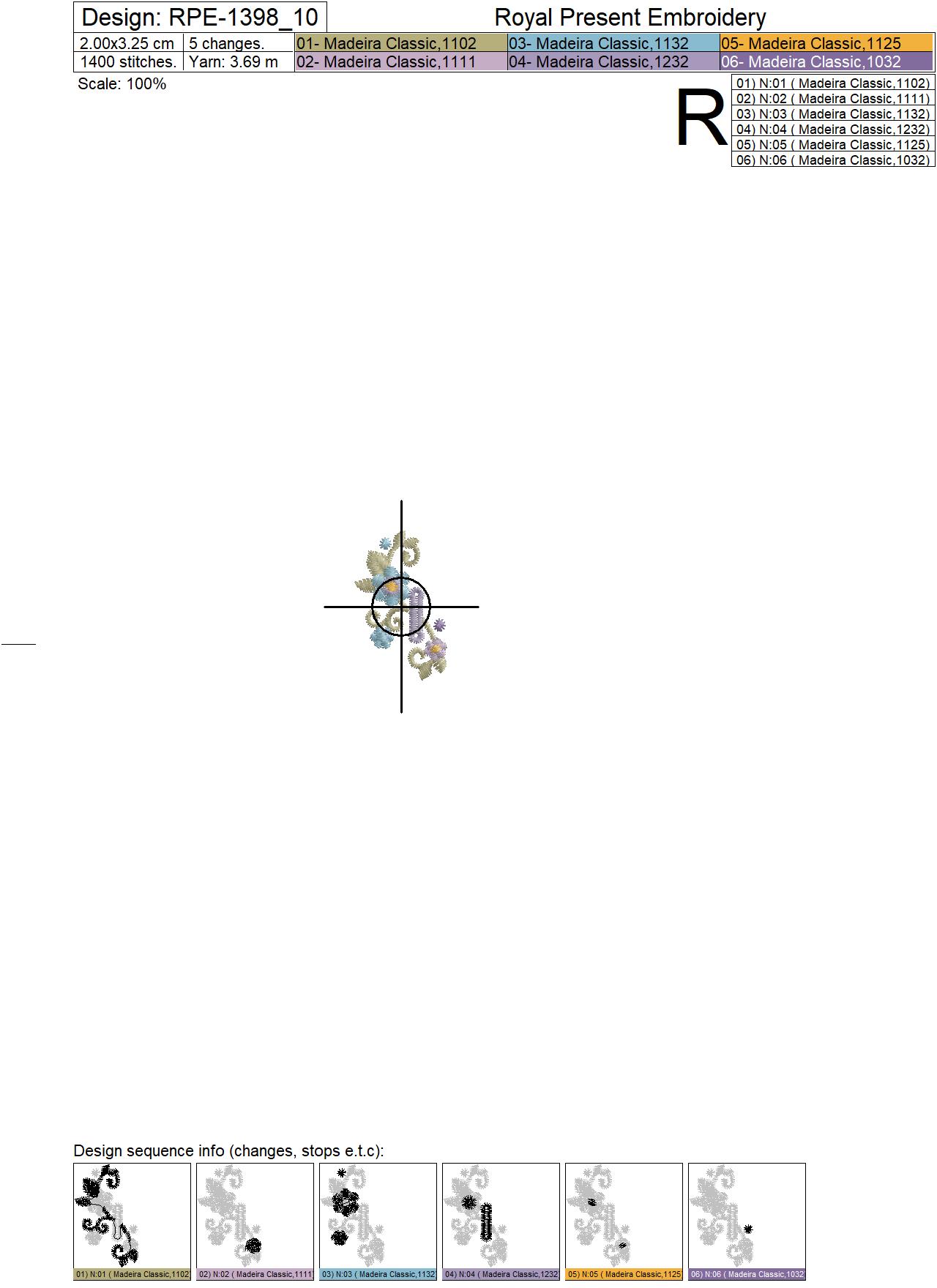
| 10 | Size: 20.0x32.5 mm (0.79x1.28"). Stitches: 1324 | At least 80x80 mm (3x3") |
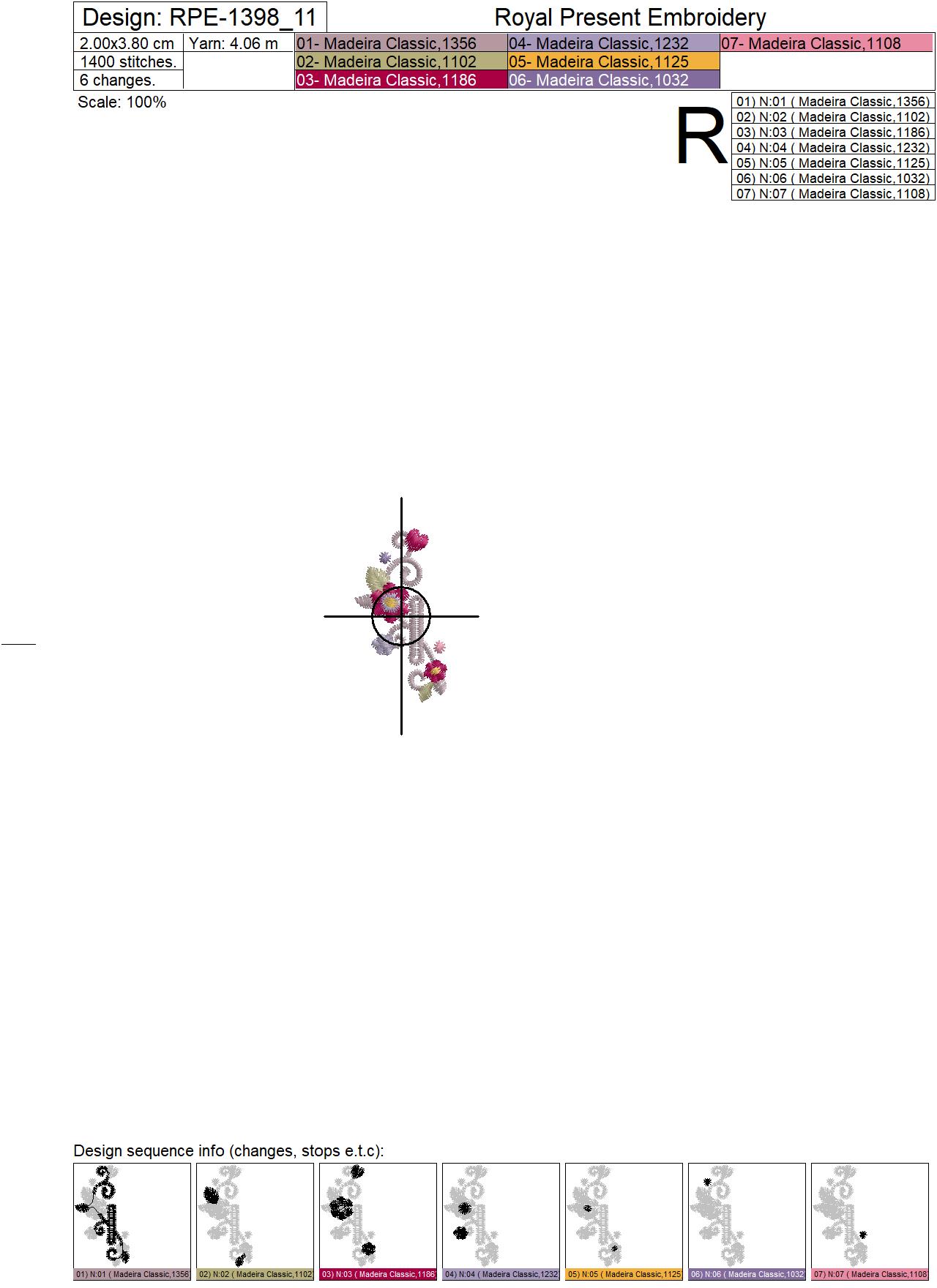
| 11 | Size: 20.0x38.0 mm (0.79x1.50"). Stitches: 1396 | At least 80x80 mm (3x3") |
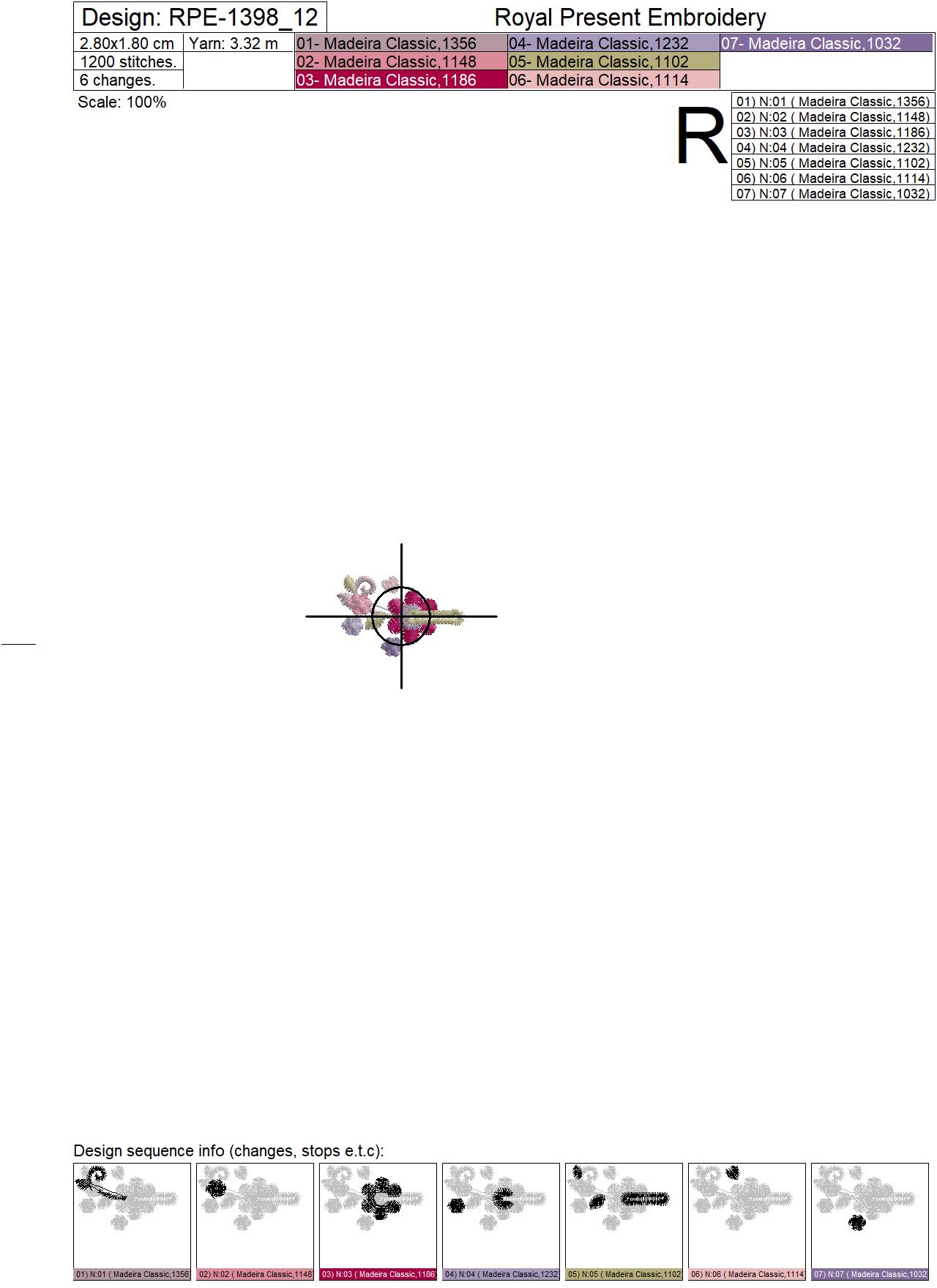
| 12 | Size: 28.0x18.0 mm (1.10x0.71"). Stitches: 1147 | At least 80x80 mm (3x3") |
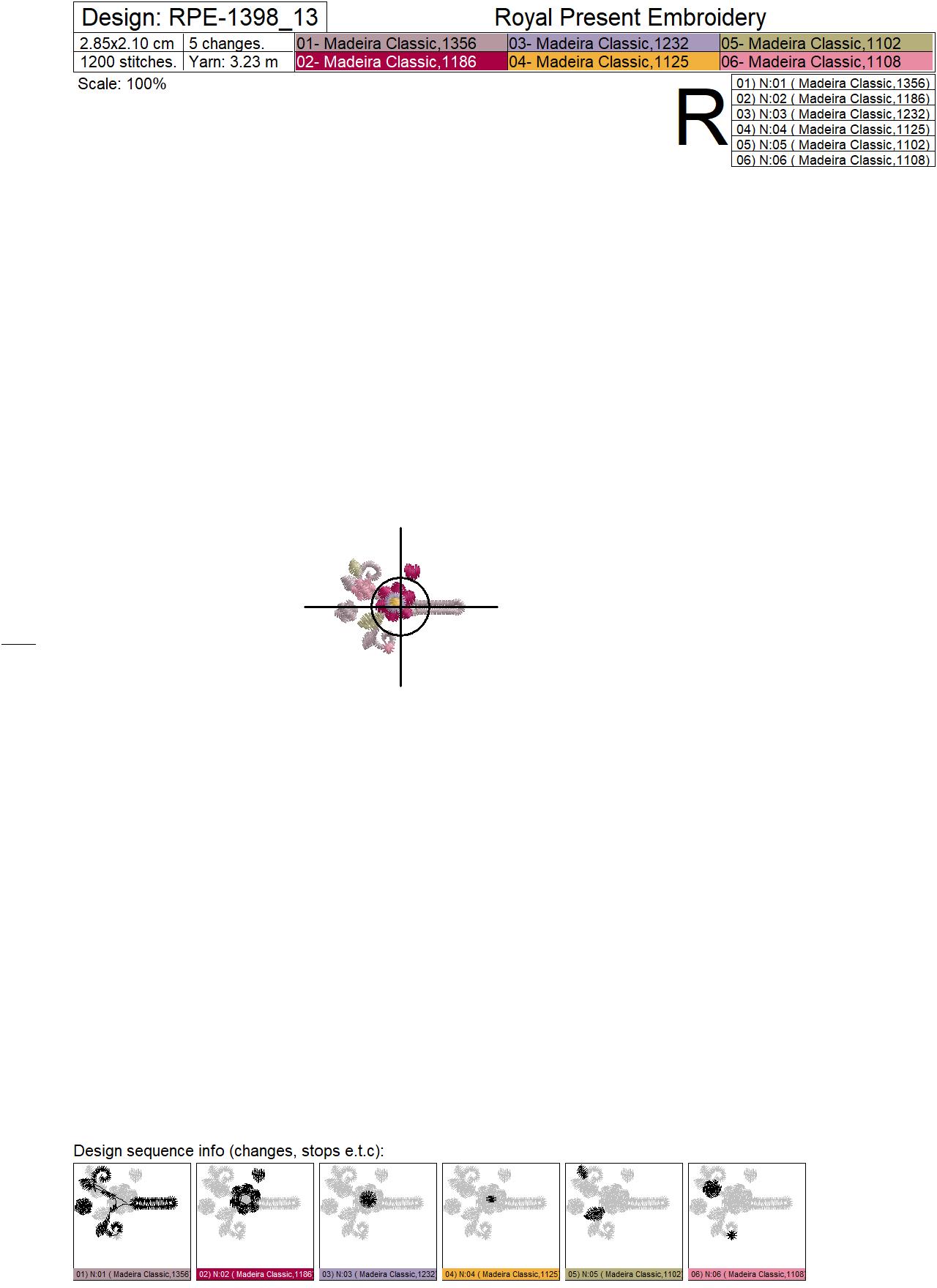
| 13 | Size: 28.5x21.0 mm (1.12x0.83"). Stitches: 1135 | At least 80x80 mm (3x3") |
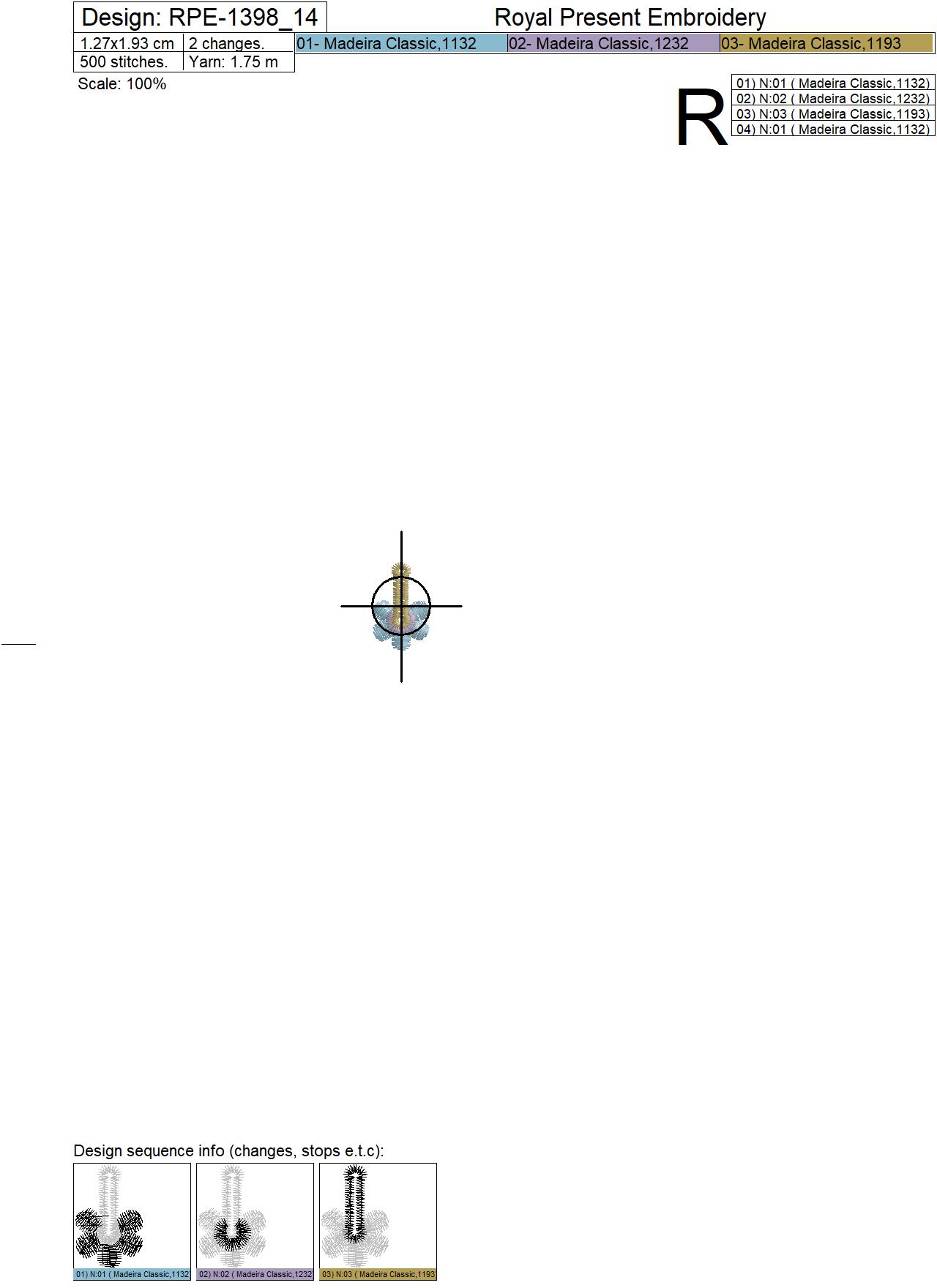
| 14 | Size: 12.7x19.3 mm (0.50x0.76"). Stitches: 505 | At least 80x80 mm (3x3") |
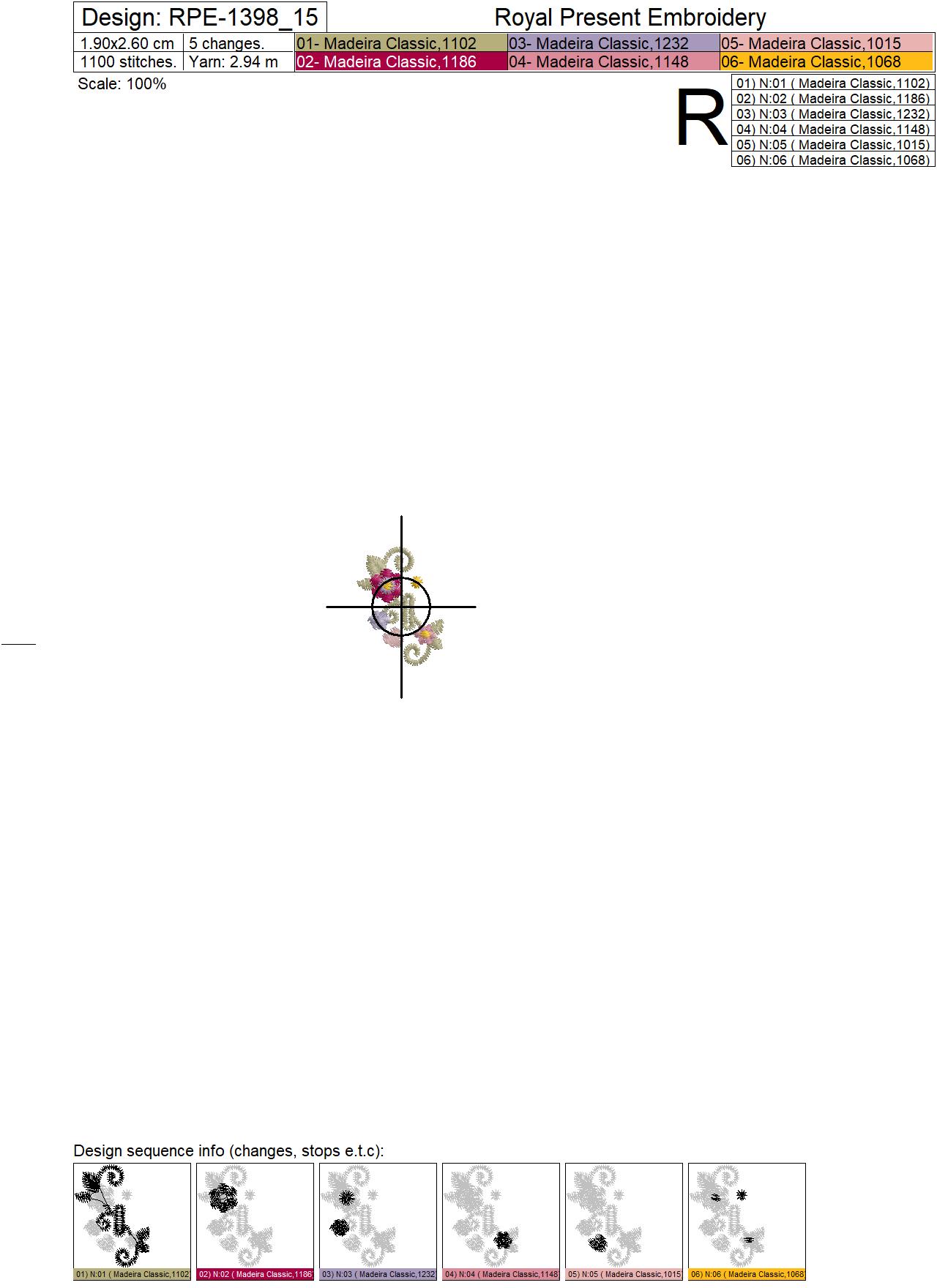
| 15 | Size: 19.0x26.0 mm (0.75x1.02"). Stitches: 1118 | At least 80x80 mm (3x3") |
Formats: .dst, .jef, .pec, .vip, .hus, .pes, .exp, .sew, .dat, .vp3, xxx
How to Match a Buttonhole to a Button
This set contains 15 different motifs and sizes, not 15 scaled copies of one picture. Print the template for the selected file at 100% scale, place it on the garment placket and position the actual button over it. The finished opening must accommodate both the diameter and thickness of the button. The stated range for this set is approximately 5–12 mm (0.20–0.47"), but the stitched and cut sample is the final compatibility test.
When several buttonholes will be used on one garment, mark the complete placket line and every center point before hooping. A Simflex expanding sewing gauge helps keep the spacing equal. Position the printed templates first, then compare every marked center with the buttons on the opposite side of the garment.
Open the Step-by-Step Buttonhole Tutorial
Stabilizing and Cutting the Opening
Cotton, linen, poplin and other stable fabrics weighing 120–180 g/m². Start with a 40–60 g/m² medium tear-away stabilizer. If the placket is already reinforced with fusible interfacing, reproduce the same layers in the test sample because additional stiffness changes the finished buttonhole.
Knits and stretch fabrics. Support the fastening area with lightweight fusible interfacing and use a soft 30–50 g/m² cut-away stabilizer underneath. Do not stretch the knit while hooping. Add a thin water-soluble film on top when the surface is textured, loosely knitted or slightly raised.
Narrow plackets, cuffs and finished garments. Hoop a self-adhesive tear-away stabilizer such as Madeira Cotton Fix, or use a small amount of Gunold KK100 temporary adhesive with regular tear-away. Secure the garment over the stabilizer and run the machine trace function so that the edge of the placket remains clear of the needle path.
Before cutting. Apply a small amount of fray sealant inside the future opening with a toothpick. Dritz Fray Check, Aleene’s Stop Fraying or Yarn Tree Stop Fray may be used; allow it to dry for 5–10 minutes. Place the garment on a cutting mat and use a buttonhole chisel instead of the tips of large scissors. Cut in short movements from the center toward the ends without touching the bartacks or satin border.
Colors and Thread
The set contains 15 different floral motifs, so use the original color sequence supplied with each individual file. Madeira numbers must not be guessed from a screen image because identical on-screen colors can represent different threads. To substitute another brand, enter the numbers from the original chart into the Royal Present thread converter. A converted shade is the nearest available match, not an exact color guarantee.
Polyester 40-weight thread is the practical choice for the functional satin edge because it withstands repeated rubbing. Rayon 40-weight can be used for the floral details. Use metallic thread only for a separate decorative color block: install a Metallic 80/12 or 90/14 needle, reduce the machine speed to approximately 400–500 stitches per minute, and keep the working edge in polyester.
Companion Buttonhole Design Sets
For larger buttons and more prominent garment fastenings, explore these products from the same buttonhole collection.
Frequently Asked Questions and Practical Tips
Is this one design supplied in 15 sizes?
No. The download contains 15 separate miniature floral buttonhole designs. Each file has its own dimensions and stitch count; the rows in the table are not scaled versions of one motif.
What button sizes can I use?
The approximate range is 5–12 mm (0.20–0.47"). Button thickness, shank and edge shape affect the required opening, so test the actual button in a completely stitched and cut sample.
Which stabilizer should I use for lightweight children’s cotton?
For poplin, batiste or cotton weighing 120–180 g/m², begin with a 40–60 g/m² medium tear-away. If the placket uses fusible interfacing, include the same interfacing in the test sample; testing without it will not reproduce the final result.
How do I prevent a buttonhole from stretching on knit fabric?
Reinforce the fastening area with lightweight fusible interfacing, add a soft 30–50 g/m² cut-away underneath and hoop without stretching the knit. Use a 75/11 ballpoint or jersey needle and test the fastening before stitching the garment.
How can I space several buttonholes evenly?
Mark the complete placket line and all center points before hooping. Use 100% printed templates or a Simflex expanding gauge, then compare the marked centers with the button positions on the opposite side.
What is the safest way to cut a tiny buttonhole?
Work on a cutting mat and use a buttonhole chisel rather than the tips of large scissors. Apply fray sealant only inside the future opening and let it dry first. Cut from the center toward each end in short movements without damaging the bartacks.
Can I use gold or silver metallic thread?
Yes, but use it only for a separate decorative floral block. Stitch the functional satin edge with durable 40-weight polyester. For metallic thread, install an 80/12 or 90/14 metallic needle, reduce speed to approximately 400–500 stitches per minute and test the tension first.
Can I resize these files?
Resizing is not recommended. A functional buttonhole depends on the programmed opening length, satin width and bartacks. Select one of the 15 prepared files; a different exact size requires professional resizing with stitch recalculation.
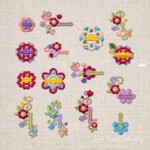
Tiny Floral Buttonholes for Kids — Set of 15 Machine Embroidery Designs
Very pretty
What is the size of button to be used with these designs?
Royal P.
from Royal Present Embroidery

 Get Sign-In Link
 Login with Google
 Login with Facebook
 Login with Amazon
 Login with Paypal