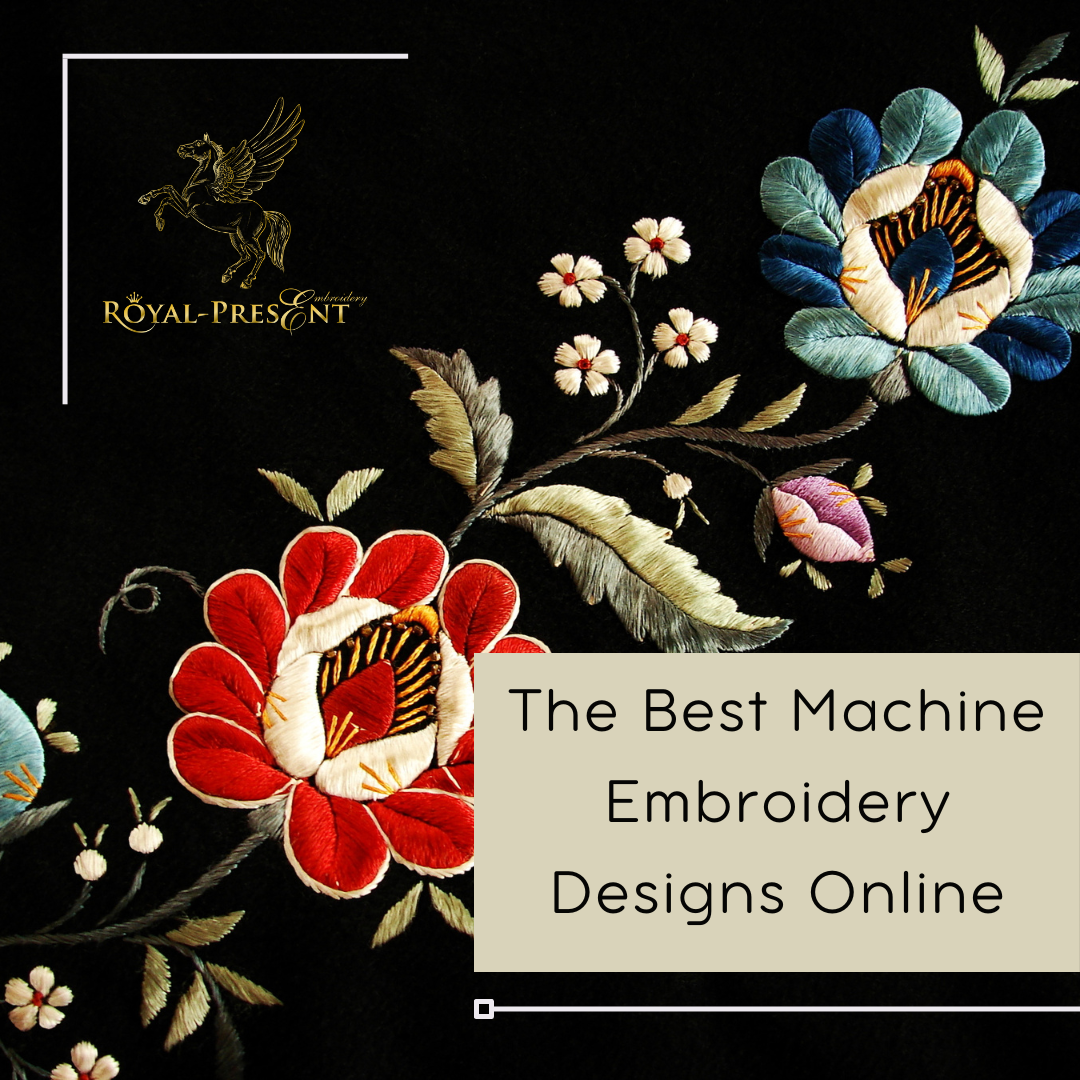
The Best Machine Embroidery Designs Online
At our online store, you'll find a wide variety of designs for machine embroidery. We're constantly updating our collection, so you can always find the perfect design for your next project. With so many...
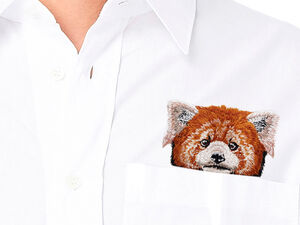
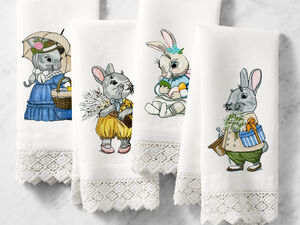
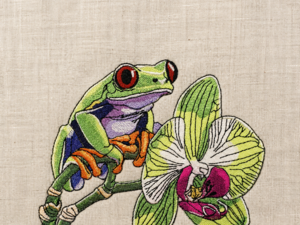
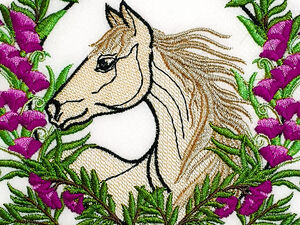
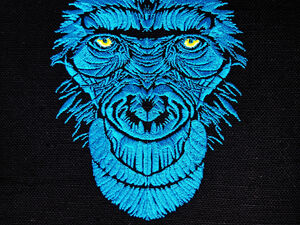
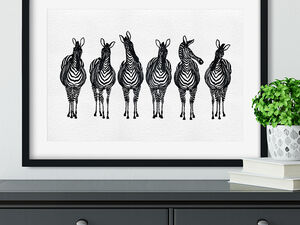
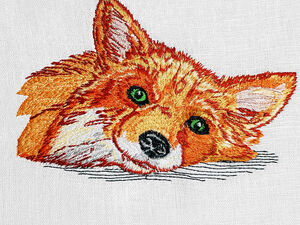
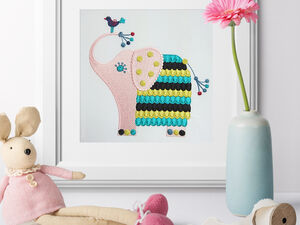
This category contains downloadable animal machine embroidery designs for home and commercial embroidery machines, including realistic portraits, vintage characters, colorful motifs and pocket animals. Browse 16 focused collections, then check the exact dimensions, stitch count, color sequence and included machine formats in the individual product card before purchase. These are digital embroidery files; no finished embroidered item is shipped.
| Category facts | What you can select |
|---|---|
| Subjects | Dogs, cats, horses, bunnies, bears, elephants, primates, reptiles, frogs, forest animals and other wildlife |
| Visual styles | Realistic, vintage, decorative, colorful, cartoon and pocket-style motifs |
| Product type | Digital machine embroidery files for download; not patches, fabric transfers or finished goods |
| Technical data | Exact size, stitch count, number of colors and supplied formats are stated on each product page |
Use the subject collections when the animal itself is the main purchasing criterion. Use the style collections when the same motif must coordinate with a garment, nursery, seasonal table setting or traditional interior.
| Collection | Best used for |
|---|---|
| Pocket Animals | Shirt and jacket pockets, tote pockets, children’s clothing and compact placements |
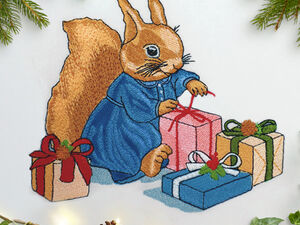
| Vintage Animals | Storybook textiles, seasonal décor, cushions and heirloom-style projects |
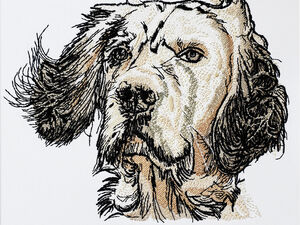
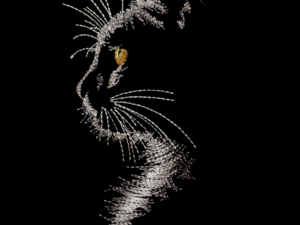
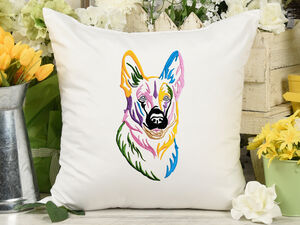
| Dogs and Cats and Kittens | Breed portraits, gifts for pet owners, bags, cushions and apparel |
| Horses and Hoofed Animals | Equestrian gifts, jackets, blankets, stable accessories and country interiors |
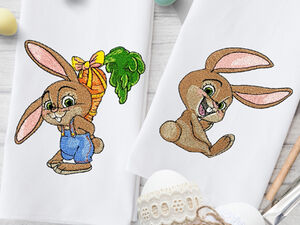
| Bunnies, Squirrels and Mice | Easter projects, nursery textiles, baby gifts and woodland themes |
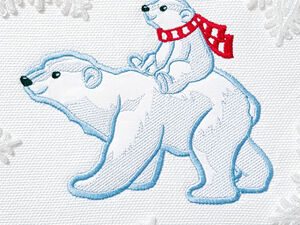
| Foxes and Wolves, Bears | Forest décor, lodge-style accessories, quilts and statement portraits |
| Frogs and Reptiles | Tropical compositions, botanical textiles and unusual gifts |
| Primates and Elephants | Jungle themes, children’s décor, decorative panels and travel-inspired projects |
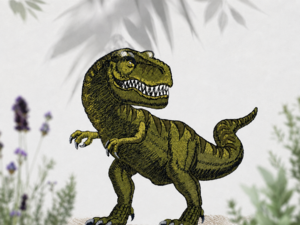
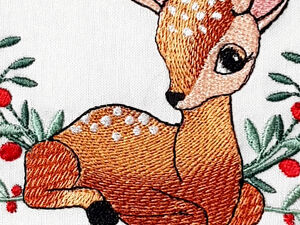
| Forest and Wild Animals | Wildlife portraits, woodland quilts, home décor and outdoor-themed apparel |
| Colorful Animals | Bold garments, bags, modern interiors and projects where thread color is the focal point |
An animal may look perfect on screen and still be wrong for the intended textile. The decisive factors are the design’s finished dimensions, stitch count, density, number of color changes, open space and the direction of the longest stitch runs. A small chest motif, a dense breed portrait and a large decorative cushion panel place very different demands on fabric and stabilization.
| Project | Design characteristics to prefer | Practical setup |
|---|---|---|
| T-shirts and sweatshirts | Compact or moderately filled motifs without a large rigid background | Use permanent cut-away stabilizer; do not rely on tear-away for stretch knit |
| Jackets, denim and canvas bags | Detailed portraits, colorful motifs and larger statement designs | Check seams, pockets and hardware before hooping; support dense files with stable backing |
| Towels and fleece | Clear shapes, firm outlines and details large enough to remain visible above the pile | Add water-soluble topping so facial features and outlines do not sink into the surface |
| Quilts, cushions and framed panels | Realistic portraits, vintage scenes or coordinated animal sets | Stabilize the embroidery layer before assembly and leave adequate seam allowance |
| Shirt and jacket pockets | Purpose-built pocket animals with an edge or paws designed to meet the pocket line | Mark the visible pocket edge first; test the vertical placement before stitching |
Realistic animal embroidery uses carefully planned stitch angles and layered shades to suggest bone structure, fur direction and depth. It usually has more color changes and needs a stable fabric-stabilizer unit. A pale thread that looks unnecessary in the chart may form an underlayer or highlight, so judge the result only after the complete sequence has stitched.
Vintage animal designs are selected for character and composition rather than anatomical realism. They work especially well on linen-look fabrics, table textiles, cushions and seasonal decorations. Keep the background fabric quiet enough for small costume and facial details to remain legible.
Colorful and decorative animals depend on clean boundaries between color areas. Change the palette only after comparing the light-to-dark value of every replacement thread. Replacing a light shade with another light shade is normally safer than changing the whole value structure; otherwise the muzzle, eyes or layered fur can visually flatten.
Thread does not reproduce fur by copying every hair. A successful animal design creates the impression of fur through stitch direction, controlled overlap and changes in tone. On a muzzle, short stitches may radiate away from the nose; on the neck, longer angled layers can describe volume. This directional structure is part of the digitizing and should not be rotated in embroidery software merely to make the design fit a different placement.
Eyes, nostrils and mouth lines are often the smallest high-contrast elements in the file. Their registration depends on the fabric remaining flat through all earlier color blocks. If the outline lands beside the filled area, the first suspects are fabric movement, insufficient stabilizer, loose hooping, a needle deflection or a hoop that struck the machine—not the final outline color itself.
A practical starting point for stable woven fabrics is stabilizer weight ≈ fabric weight ÷ 3. For example, fabric weighing 180 g/m² suggests about 60 g/m² of stabilizer as an initial test value. This is not a universal limit: add support for stretch, high stitch density, long directional fills or a large design. The stabilizer must control the force of the stitches, not merely match the fabric thickness.
English product pages show design dimensions in both millimetres and inches. Compare the actual width and height with your machine’s maximum embroidery field; a hoop’s marketing name is not enough. Common labels such as 4×4, 5×7 and 8×8 are rounded names, while the usable field is machine-specific. Never force a design into a smaller hoop by rotating it unless both measured dimensions fit inside the field.
Open the product card before purchase and confirm that at least one supplied file format is accepted by your machine. Resizing a stitch file is not the same as scaling an image: changing dimensions can alter stitch length, density, underlay and the alignment of layered fur. If the required size is not listed, use the professional design resizing service instead of making a large percentage change without stitch recalculation.
This short test is especially important for realistic animal portraits. A small change in fabric support or thread value can alter the expression, fur contrast and alignment of the final details. Once the sample is clean, use the same setup for the finished project rather than changing several variables at once.
At our online store, you'll find a wide variety of designs for machine embroidery. We're constantly updating our collection, so you can always find the perfect design for your next project. With so many...
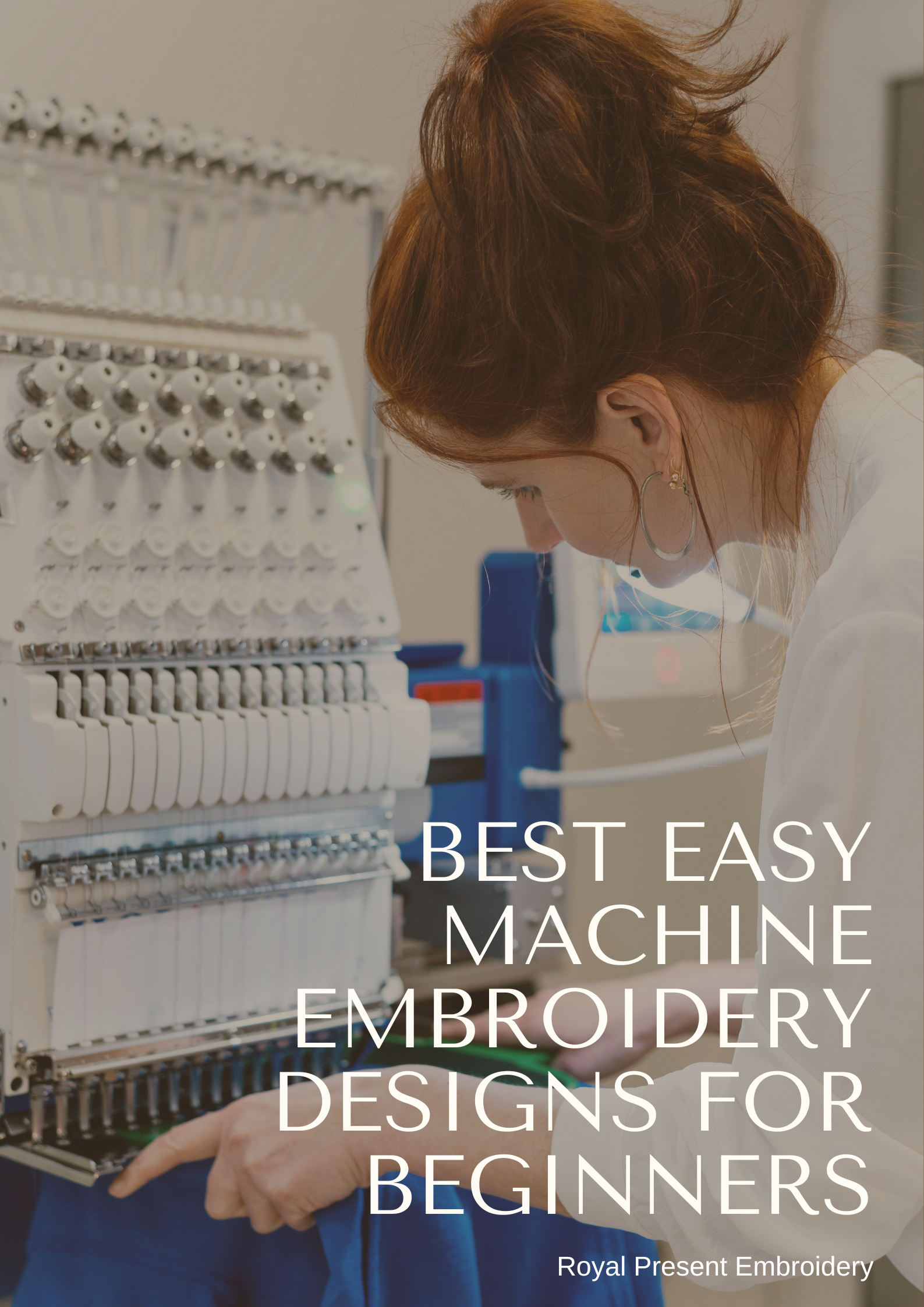
You've come to the right place if you're new to machine embroidery and excited to explore your creativity by turning fabric into beautiful art pieces. This article showcases some of the best easy machi...

 Get Sign-In Link
 Login with Google
 Login with Facebook
 Login with Amazon
 Login with Paypal